



NEW DELHI, Oct. 27: India is preparing for a substantial increase in diesel exports in 2027 as state-owned oil companies expand refining capacity, positioning the country to help ease global fuel shortages caused by geopolitical conflicts and disruptions to international energy supplies.
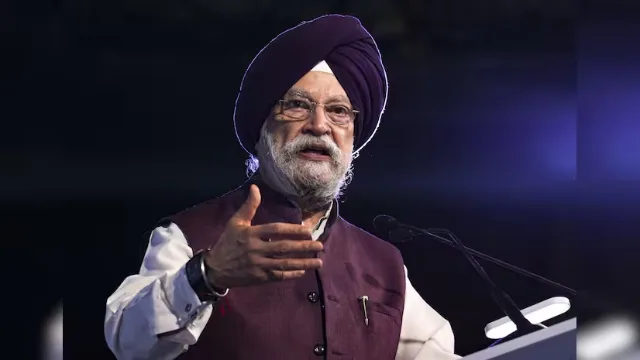
Petroleum and Natural Gas Minister Hardeep Singh Puri said on Tuesday that Indian public-sector refiners would add at least 15 million tonnes of annual diesel production capacity through new refinery projects and expansions at existing facilities.
Speaking to reporters on the sidelines of an industry conference in Goa, Puri said the additional capacity would allow India to meet its domestic requirements while supplying more refined petroleum products to international markets.
The expansion comes at a time when global diesel supplies remain under pressure from conflicts in the Middle East and the continuing Russia-Ukraine war. Disruptions to crude oil production, refining operations and international shipping routes have tightened fuel availability and contributed to higher prices.
Diesel supplies have been particularly affected by Russia's decision to suspend exports in July to protect its domestic market following attacks on refineries and ports.
The disruption pushed diesel prices in the United States to record levels and prompted Washington to consider restrictions on fuel exports. The pressure subsequently eased following an agreement between US President Donald Trump and Russian President Vladimir Putin to release additional fuel into international markets.
The supply difficulties have created an opportunity for India, which has emerged as one of the world's largest exporters of diesel.
According to energy analytics firm Kpler, India overtook Russia in 2026 to become the world's second-largest diesel exporter. Further refinery expansions could strengthen its position in international markets, particularly as demand for additional supplies remains strong.
Investment bank Goldman Sachs expects global diesel supplies to remain tight through 2027, suggesting that India's additional production could enter the market during a period of sustained demand.
Several major Indian oil companies are preparing to increase output.
Indian Oil Corporation, the country's largest refiner, expects to produce as much as nine million additional tonnes of diesel annually from 2027.
Its chairman, Arvinder Singh Sahney, said the increase would follow the completion of expansion projects at three refineries, which together will add more than 17 million tonnes of annual crude-processing capacity.
Hindustan Petroleum Corporation Limited is also preparing to increase diesel production as its new refinery in Rajasthan moves towards full operational capacity.
The refinery, designed to process nine million tonnes of crude oil annually, is expected to contribute approximately four million tonnes of additional diesel output once fully operational, according to HPCL chairman Vikas Kaushal.
Meanwhile, Numaligarh Refinery Limited, a subsidiary of Oil India Limited, plans to increase its diesel production to approximately three million tonnes annually.
Bharat Petroleum Corporation Limited is preparing a further expansion that could add 1.5 million tonnes of annual diesel output from 2028, chairman Sanjay Khanna said.
Together, these projects are expected to significantly increase India's capacity to produce diesel for both domestic consumption and export markets.
India already produces substantially more diesel than it consumes.
During the first six months of the financial year beginning April 2026, Indian refineries produced approximately 59 million tonnes of diesel, compared with domestic consumption of about 46 million tonnes, according to Petroleum Ministry data.
The figures indicate a production surplus of roughly 13 million tonnes during the period, although the difference should not be interpreted as the exact volume exported because inventories and other supply adjustments also affect the balance.
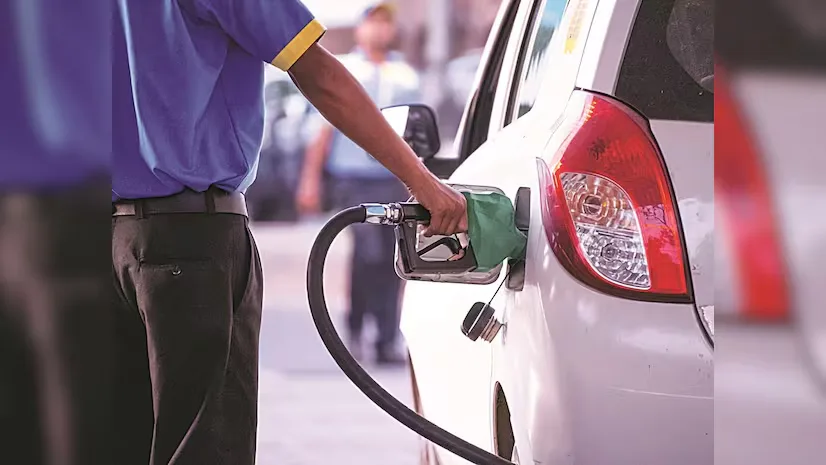
Diesel remains an essential fuel for global economic activity. It powers commercial transport, agricultural machinery, industrial equipment and several other sectors that depend on reliable energy supplies.
Shortages can therefore affect freight costs, agricultural operations and industrial production, particularly in countries heavily dependent on imported refined petroleum products.
India's growing refining capacity could help provide additional supplies to markets in Europe and the United States, where disruptions to established fuel trade routes have increased the need for alternative sources.
The planned increase also reflects a broader expansion of India's petroleum refining industry.
Puri said the country's total annual crude-processing capacity is expected to rise from approximately 267 million tonnes to 300 million tonnes as current projects are completed.
The government expects refining capacity to reach 400 million tonnes annually over the coming years, although a specific timetable for achieving that target was not provided.
The expansion would reinforce India's position as a major refining centre capable of processing imported crude oil into petroleum products for domestic use and international trade.
However, the availability of additional diesel for export will depend on several factors, including refinery commissioning schedules, crude oil availability, domestic fuel demand and conditions in international energy markets.
While new capacity could ease supply shortages, it does not guarantee lower global diesel prices. Prices will continue to be influenced by geopolitical developments, shipping disruptions and changes in consumption.
The increase in refining capacity also highlights India's growing role in international energy trade despite its continued dependence on imported crude oil.
By expanding domestic processing capacity, Indian refiners can supply higher-value petroleum products to overseas markets rather than limiting their role to meeting domestic fuel requirements.
For Indian oil companies, the coming expansion offers an opportunity to strengthen their presence in global fuel markets at a time when established supply chains are undergoing significant changes.
With several major refinery projects scheduled to contribute additional production from 2027, India is positioned to become an increasingly important supplier of diesel as international markets seek to recover from prolonged supply disruptions.