

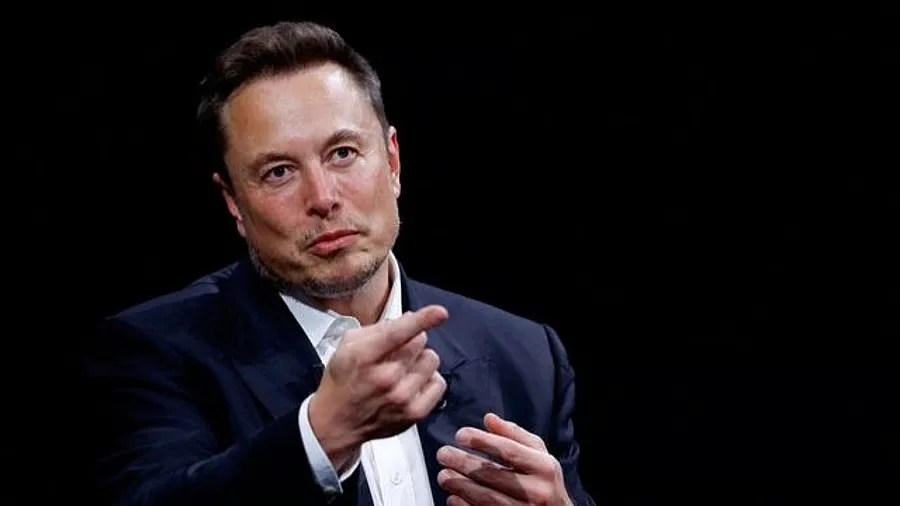
WASHINGTON, Oct. 21: A US report says Elon Musk ordered a slowdown of Starlink service used by Ukraine’s military, prompting disruption to battlefield communications and drone operations.
According to the Wall Street Journal, Musk, through SpaceX, instructed limits on a “military-grade” version of Starlink that Ukraine relies on. The paper cited US officials and people familiar with the matter. The report also said Musk and US President Donald Trump discussed the Starlink decision in a call shortly after the slowdown became public, and that they had also discussed it earlier before the throttling took effect.
SpaceX and Musk did not immediately respond to Reuters requests for comment, and the White House also did not respond, the report added. Reuters said it could not independently verify the Wall Street Journal’s account.
Ukraine uses Starlink for battlefield communications and for drone operations. The restriction, as described in the report, hampered Ukraine’s attack and air-defence drone missions against Russia.
The Starlink issue comes amid deteriorating political relations between Kyiv and Washington, the report notes, pointing to Trump’s announcements including a deal to buy Russian diesel and the waiving of new sanctions on Moscow. It also referenced Trump telling Kyiv to stop attacking Russian refineries and urging Ukrainians to replace President Volodymyr Zelenskiy.
In response to questions about Starlink access, Trump said last week he did not think he or Musk was responsible for Ukraine losing access to the service. Musk, in comments attributed to the same period, said any limits on speed or Starship use were decided by the US military or the president.
The Starlink decision and accountability have been contested within US policy circles. Reuters previously reported exclusively that an order to limit the satellite system came from inside the White House. The Wall Street Journal report, by contrast, attributes the action to Musk.
On Tuesday, Ukrainian President Volodymyr Zelenskiy said he discussed “the situation with Starlink/Starshield, which needs to be restored” with US Secretary of State Marco Rubio while Zelenskiy was in Oslo to try to repair relations with Washington.
US Defence Secretary Pete Hegseth, speaking on Tuesday, said Washington had not pulled back Ukraine’s ability to access Starlink’s satellite network. He instead indicated that the difficulty, according to the report, lay with the terms of service that Kyiv needed to comply with.
The competing accounts leave several questions unresolved: whether the action was framed as a speed or access restriction, how “military-grade” Starlink differs in practice from other service levels, and what compliance or contractual requirements are at the centre of the dispute.
With Ukraine’s use of satellite links tightly bound to drone operations, any change in service parameters has immediate operational implications. For Washington, the episode also highlights the sensitivity around who controls delivery of critical capabilities—whether decisions are treated as matters of presidential direction, military requirements or corporate engineering and product settings.
For now, the key next development is clarification from the US administration and SpaceX on what changed, and on what basis, given the lack of immediate comment and Reuters’ inability to verify the Wall Street Journal’s central claim about Musk issuing the order.