


NEW DELHI, Oct. 8
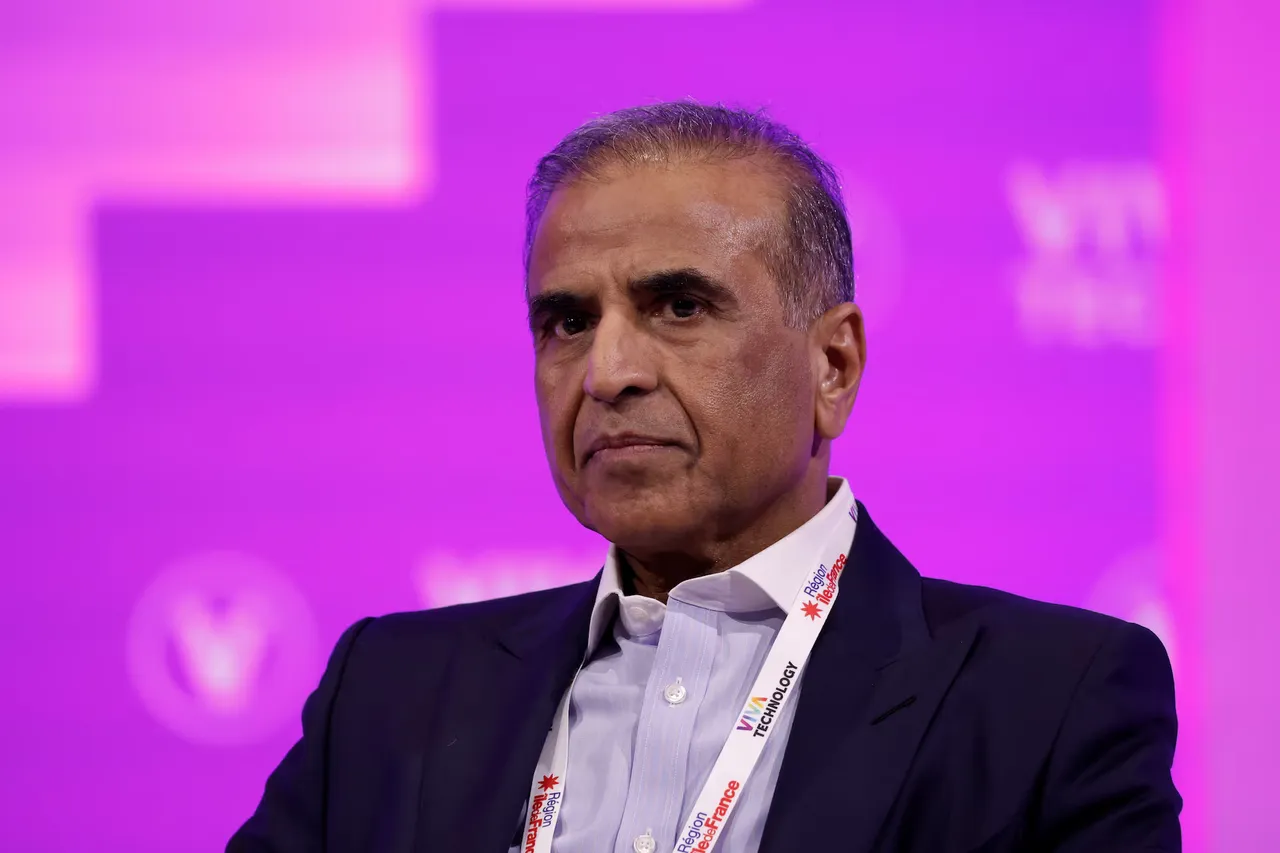
Bharti Enterprises Chairman Sunil Bharti Mittal has said the company is awaiting government approval to begin satellite communication services in India, as telecom operators prepare to expand broadband connectivity through space-based networks.
The pending approval is an important step for Bharti-backed Eutelsat OneWeb, which is seeking to offer satellite broadband services in the Indian market.
Satellite communications are expected to complement existing mobile and fibre networks, particularly in remote and difficult terrain where conventional telecommunications infrastructure is expensive or challenging to establish.
Speaking at the India Mobile Congress on Thursday, Mittal dismissed allegations by Elon Musk that influential business interests were preventing Starlink from entering the Indian market to protect their existing positions.
Asked about Musk’s accusations, Mittal replied, “We are waiting for our own approvals.”
His response came a day after Musk alleged that unnamed powerful business interests were obstructing Starlink’s entry into India. Musk did not identify the companies or individuals he was referring to, and his allegations remain unsubstantiated.
Three satellite communication operators—Starlink, Eutelsat OneWeb and Jio Satellite Communications—have received licences to provide satellite services in India. However, none has completed the remaining regulatory requirements needed to begin commercial operations.
Eutelsat OneWeb and Jio Satellite Communications were the first two companies to secure the necessary service licences. Both are still awaiting security clearances and spectrum assignment, the same requirements that remain outstanding for Starlink.
The Ministry of Communications rejected allegations of discriminatory treatment on Thursday, stating that India’s satellite communication authorisation framework applies equally to all licensed operators.
The ministry said each company must demonstrate compliance with prescribed security conditions before proceeding to spectrum allocation.
These requirements are intended to protect users, safeguard data and ensure that satellite communication networks meet India’s national security standards.
Security assessments are currently underway for all three licensed operators, according to the ministry.
The government maintained that the companies were at broadly the same stage of regulatory approval and rejected suggestions that the licensing process was being applied selectively.
It clarified that an operator would become eligible to seek spectrum assignment only after successfully completing its security assessment.
The government’s response places the dispute within the wider regulatory process rather than treating Starlink’s pending launch as an isolated case.
India’s telecommunications market is currently served by three major private operators: Reliance Jio, Bharti Airtel and Vodafone Idea. Satellite broadband is expected to introduce an additional means of providing connectivity, particularly in areas where conventional mobile and fibre networks have limited coverage.
Bharti-backed Eutelsat OneWeb and Reliance-backed Jio Satellite Communications are preparing to compete in this emerging market alongside Starlink.
Jio Platforms Managing Director Akash Ambani declined to comment on Musk’s allegations when approached at the industry event.
The pending approvals leave all three companies waiting for the government to complete its security evaluations and determine their eligibility for spectrum assignment.
The government has not announced when those assessments will be completed or when licensed satellite operators will be permitted to begin commercial services.
For now, Mittal’s comments and the ministry’s clarification indicate that the regulatory delays affect multiple operators, including companies backed by India’s established telecommunications groups.