NEW DELHI, Oct. 3
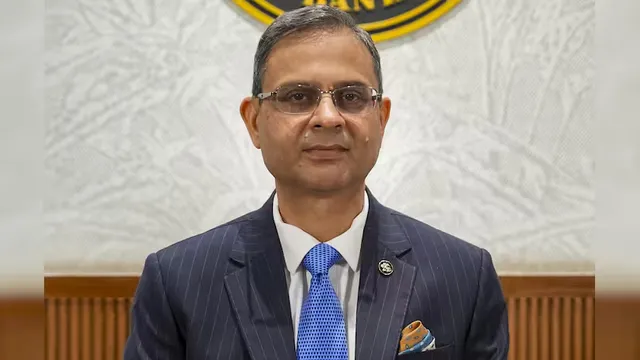
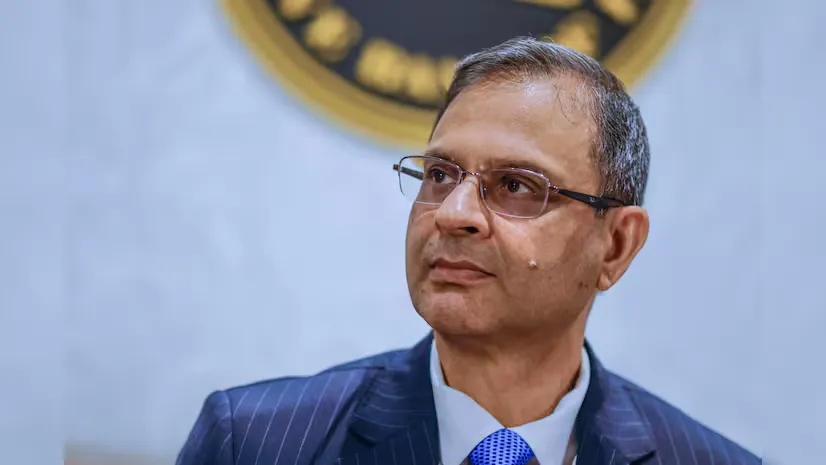
The Reserve Bank of India supports the use of blockchain and other emerging technologies to improve the financial system but remains cautious about cryptocurrencies because of the risks they could pose to monetary and financial stability, Governor Sanjay Malhotra said on Saturday.
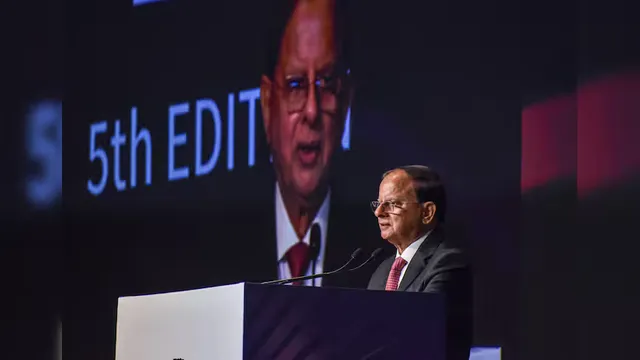
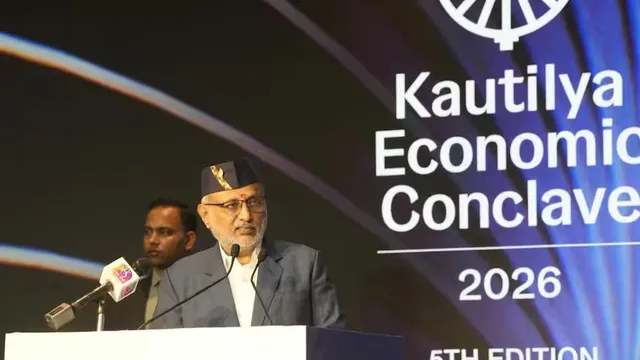
Speaking at the Kautilya Economic Conclave in New Delhi, Malhotra drew a clear distinction between the underlying technology behind digital assets and privately issued cryptocurrencies.
The RBI is open to technologies such as blockchain and tokenisation where they can improve efficiency, transparency and financial services, but the central bank continues to have reservations about crypto assets and their potential implications for the economy.
“We are very supportive of blockchain technology,” Malhotra said, while reiterating that the central bank remained cautious about cryptocurrency.
The RBI’s position reflects its broader approach towards financial innovation: encourage technologies that can improve the financial system while ensuring that new products do not undermine monetary sovereignty, financial stability or consumer protection.
Malhotra said cryptocurrencies could pose particular challenges for emerging market economies such as India.
One concern is the potential impact on monetary policy if privately issued digital currencies become widely used for payments or as stores of value.
Large-scale adoption could reduce the effectiveness of domestic monetary policy and create additional complications for managing capital flows and financial stability.
The RBI has consistently distinguished cryptocurrencies from central bank digital currencies.
India’s central bank has been developing and testing the digital rupee, or e₹, which represents a digital form of sovereign currency issued by the RBI.
Unlike privately issued cryptocurrencies, the digital rupee carries the backing of the central bank and is denominated in the same unit of account as physical currency.
The RBI has been expanding pilots for both retail and wholesale versions of the central bank digital currency while exploring different use cases.
Blockchain and distributed-ledger technologies have applications extending well beyond cryptocurrencies.
They can potentially be used for tokenisation of financial and real-world assets, settlement systems, trade finance and other areas where secure and verifiable digital records can improve efficiency.
Tokenisation allows rights over an asset to be represented digitally, potentially enabling faster transactions and new methods of ownership and settlement.
The RBI sees potential in such applications but has emphasised that innovation must preserve the basic foundations on which the financial system operates.
Malhotra said technological progress should not compromise trust, financial integrity or the singleness of money.
That principle becomes increasingly important as artificial intelligence, tokenisation and digital assets reshape financial services.
The governor’s comments come as governments and regulators worldwide continue to debate how cryptocurrencies should be regulated.
Some jurisdictions have moved towards creating regulatory frameworks for crypto assets and stablecoins, while others remain concerned about their implications for monetary sovereignty, illicit finance, consumer protection and financial stability.
India has adopted a relatively cautious approach.
Crypto transactions are permitted within the existing legal and taxation framework, but cryptocurrencies have not been recognised as legal tender.
The government has also introduced taxation and compliance requirements for virtual digital assets.
The RBI’s concerns extend beyond volatility in individual cryptocurrencies.
If privately issued digital assets become deeply integrated into the financial system, problems in crypto markets could potentially transmit stress to banks, financial institutions and investors.
Cross-border crypto transactions can also complicate capital-flow management and enforcement of financial regulations.
These risks can be particularly significant for emerging economies, where sudden movement of capital can place pressure on currencies and financial markets.
At the same time, rejecting cryptocurrencies does not mean rejecting the technological innovations associated with them.
That distinction was central to Malhotra’s remarks.
The RBI is willing to explore blockchain, distributed ledgers, tokenisation and central bank digital currency while maintaining a cautious approach towards private cryptocurrencies.
The strategy allows the central bank to examine whether new technologies can make payments and financial transactions faster and more efficient without surrendering the safeguards associated with regulated money.
India’s growing digital payments ecosystem also provides a large environment in which such technologies can be tested.
The country has already built extensive digital public infrastructure around systems such as the Unified Payments Interface, while the digital rupee provides another avenue for experimenting with the future of money.
The challenge for policymakers is determining which technologies deliver genuine economic benefits and which introduce risks that outweigh their usefulness.
For the RBI, that distinction remains fundamental.
Malhotra’s message at the Kautilya Economic Conclave was therefore not opposition to digital financial innovation. Instead, it was an argument for separating the technology from the asset.
Blockchain and tokenisation can be developed and used where they strengthen the financial system. Cryptocurrencies, however, will continue to face close scrutiny because of their potential implications for monetary sovereignty and financial stability.