
NEW DELHI, Oct. 8
Opposition parties associated with the INDIA bloc have intensified their campaign against the Election Commission, organising a “Save Democracy” march in New Delhi amid allegations of irregularities in electoral rolls and demands for greater accountability from the poll body.
The protest centres on opposition allegations of “vote chori”, or vote theft, and criticism of the Election Commission’s handling of electoral-roll revisions. Congress leaders Rahul Gandhi and Priyanka Gandhi Vadra, West Bengal Chief Minister Mamata Banerjee and Chief Election Commissioner Gyanesh Kumar are among the prominent political figures associated with the dispute.
The opposition has argued that the integrity of voter lists is fundamental to free and fair elections and has demanded greater transparency in the process of adding, deleting and verifying electoral entries.
The Election Commission has rejected allegations of deliberate electoral manipulation and maintains that electoral-roll revision is a statutory exercise intended to improve the accuracy of voter records.
The confrontation reflects a broader political dispute over the Special Intensive Revision of electoral rolls, which opposition parties have questioned over the risk of eligible voters being excluded.
The Election Commission, for its part, has maintained that the revision process is intended to identify ineligible entries and ensure that electoral rolls remain accurate.
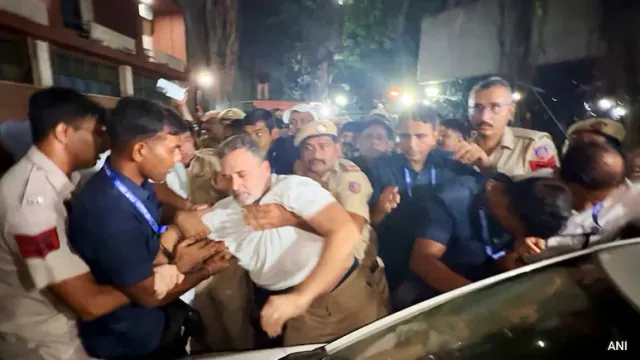
The protest escalated on Thursday after Delhi Police registered a case against Rahul Gandhi, Priyanka Gandhi Vadra and several other Congress leaders and workers over alleged misconduct during Wednesday’s demonstration.
Police accused those named in the case of assaulting personnel, obstructing government work, pushing officers and misbehaving with them. These are allegations under investigation, not established findings of guilt.
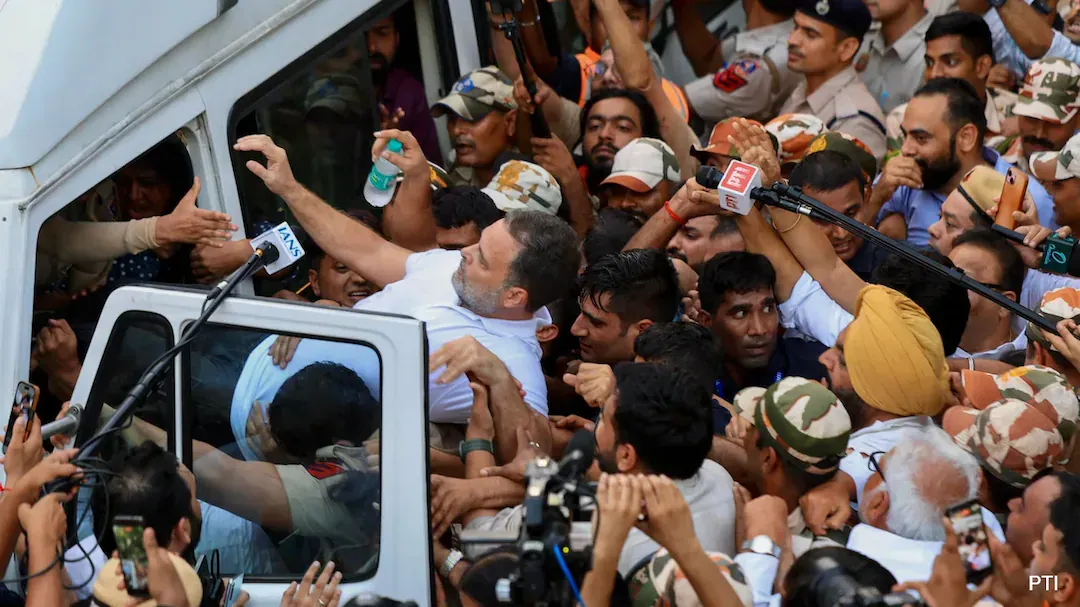
Wednesday’s protest had involved opposition MPs travelling in three buses after a meeting hosted by Congress president Mallikarjun Kharge. Police stopped the buses on Ashoka Road, near the Shangri-La hotel, approximately two kilometres from Jantar Mantar. Several opposition leaders were subsequently detained after staging a sit-in and demanding the Chief Election Commissioner’s resignation.
Congress declared October 8 a nationwide “Black Day” and announced plans to continue demonstrations. Opposition MPs were expected to meet at a café in Delhi to discuss their next steps, with a possible visit to Rajghat also under consideration.
The INDIA bloc has secured an appointment for a ten-member delegation to meet President Droupadi Murmu on Friday, October 9. The alliance had initially sought permission for 15 representatives but was asked to reduce the delegation.
The proposed delegation includes Mallikarjun Kharge, Rahul Gandhi, Akhilesh Yadav and Mamata Banerjee, among others.
Separately, the Delhi High Court agreed to list a petition by the Indian Youth Congress challenging the police decision to deny permission for a protest at Jantar Mantar. The petition is expected to be taken up on Friday.
Security around Chief Election Commissioner Gyanesh Kumar was also increased as the demonstrations continued.
The dispute has now moved beyond the original disagreement over electoral-roll revision. Police action against opposition leaders, restrictions on demonstrations and the proposed meeting with the President have widened the confrontation into a debate over political protest and institutional accountability.
The opposition has not established its allegations of systematic electoral manipulation through the demonstrations. Equally, the criminal allegations against protesters remain subject to legal scrutiny.
With a presidential meeting scheduled and a court hearing expected, the next developments will centre on whether the opposition can obtain a formal institutional response to its concerns and how authorities handle further protests in the capital.