JAMMU, Oct. 8
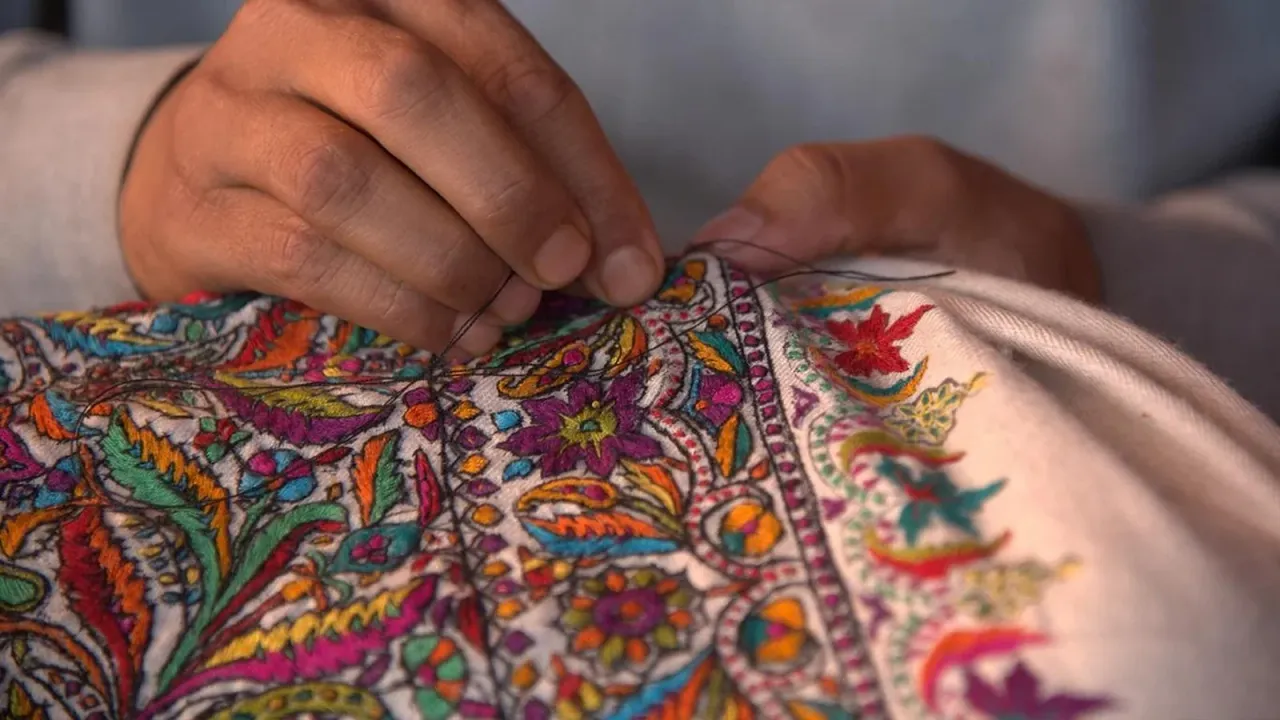
Artisans and weavers in Jammu and Kashmir received loans worth ₹14.71 crore during the first two quarters of the current financial year, reflecting continued institutional financing for the Union Territory’s traditional handicrafts and handloom sectors.
The financial assistance covers the April-to-September period and is intended to help artisans and weavers meet working-capital requirements, purchase raw materials and sustain their businesses.
Access to affordable credit remains an important issue for Jammu and Kashmir’s craft sector, where many workers operate small, household-based enterprises and face difficulties financing production before receiving payment for finished goods.
According to figures released by the Handicrafts and Handloom Department on Thursday, 3,885 applications were sponsored to banks under its flagship Credit Card Scheme during the first half of 2026-27. Of these, 1,332 applications had been sanctioned and 1,054 loans disbursed by September 30.
The department said the ₹14.71 crore in financing was intended to help craftspeople establish independent production units and purchase tools and raw materials.
Beneficiaries are also eligible for 7 per cent interest subvention on a tapering basis over five years, reducing borrowing costs while new enterprises work towards becoming financially self-sustaining.
The scheme’s credit limit was increased from ₹1 lakh to ₹2 lakh in 2020 under the Wool Processing, Handloom and Handicrafts Policy.
Since that revision, more than 10,000 craftspeople have received loans totalling ₹151 crore, according to the department. Over the same period, the government has provided approximately ₹19 crore in interest subvention.
The programme is designed to reduce artisans’ dependence on informal borrowing, which can involve higher interest costs and less predictable repayment conditions.
For many small producers, access to formal credit is necessary to purchase materials before production begins, maintain inventories and accept larger orders without relying entirely on advance payments from customers or traders.
The department said it was coordinating with lead banks and other financial institutions to improve access to the scheme and ensure that applications are processed without unnecessary delays.
The figures also show a gap between applications submitted, loans sanctioned and funds actually disbursed. By the end of September, 1,054 of the 3,885 applications sponsored to banks had resulted in disbursements.
The department did not provide a detailed breakdown of applications that were rejected, remained under examination or were awaiting disbursement.
Officials have urged financial institutions to treat handicrafts and handloom activities as priority lending sectors and provide timely credit to small production units.
The department believes easier access to financing can help craftspeople increase production and encourage younger workers to remain involved in traditional occupations.
Eligible artisans and weavers can apply through the Jammu and Kashmir government’s single-window portal at singlewindow.jk.gov.in. Common Service Centres across districts are also available to assist applicants with registration.
The latest figures reflect continued demand for institutional credit among Kashmir’s artisans and weavers. The effectiveness of the programme will depend not only on the amount sanctioned but also on how quickly approved loans reach applicants and whether the financing helps their businesses remain viable.