


NEW DELHI, Oct. 28: The Union Cabinet on Wednesday approved a three-percentage-point increase in Dearness Allowance (DA) for Central Government employees and Dearness Relief (DR) for pensioners, raising both from 60 per cent to 63 per cent of basic pay and pension, respectively.
The revision will take effect retrospectively from July 1, 2026, benefiting more than 1.16 crore serving employees and pensioners across the country.
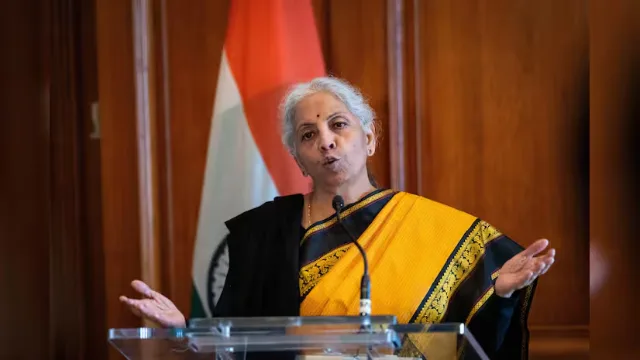
Union Information and Broadcasting Minister Ashwini Vaishnaw announced the decision following the Cabinet meeting, saying the increase would impose an additional annual financial burden of ₹10,016 crore on the government.
The revision follows the formula recommended by the Seventh Central Pay Commission and forms part of the government's established mechanism for compensating employees and pensioners for rising living costs.
Dearness Allowance is paid to serving government employees as a percentage of their basic salary, while Dearness Relief provides a corresponding benefit to retired employees receiving pensions.
Both components are designed to partially offset the impact of inflation on household purchasing power.
The latest increase means that an employee drawing a basic monthly salary of ₹30,000 will receive ₹18,900 as DA, compared with ₹18,000 earlier. This represents an additional ₹900 per month.
Similarly, an employee with a basic salary of ₹50,000 will receive ₹31,500 in DA, an increase of ₹1,500 over the previous rate.
For pensioners, the additional benefit will be calculated on their basic pension. A pensioner receiving ₹25,000 as basic monthly pension will now receive ₹15,750 as Dearness Relief, compared with ₹15,000 previously, resulting in an increase of ₹750 per month.
These calculations reflect the three-percentage-point revision and do not account for other salary or pension components.
Because the increase takes effect from July 1, eligible employees and pensioners will also be entitled to the difference between the old and revised rates for the applicable period before implementation.
The government has not specified the date on which the revised payments and arrears will be credited.
The latest decision follows an earlier revision approved in April 2026, when the government increased DA and DR by two percentage points, taking the rate to 60 per cent.
The latest three-point increase brings the cumulative rise during the two revisions announced this year to five percentage points.
Under the existing system, DA and DR are generally revised twice annually, with effect from January 1 and July 1.
The revisions are linked to movements in consumer prices and are intended to provide periodic adjustments to salaries and pensions without changing the underlying basic pay structure.
For employees and pensioners, the increase provides additional monthly income at a time when household expenditure on essential goods and services remains an important consideration.
The actual benefit will vary according to individual basic pay or pension levels. Employees with higher basic salaries will receive a larger absolute increase because DA is calculated as a fixed percentage of basic pay.
The decision also has fiscal implications, with the government estimating an additional annual expenditure of ₹10,016 crore.
The increased expenditure will flow through salaries and pensions, adding to the income available to Central Government employees and retired personnel.
The revision does not automatically extend to all state government employees, whose DA rates are determined by their respective governments.
Wednesday's approval confirms the revised 63 per cent rate for eligible Central Government employees and pensioners, with the increase applicable from July 1, 2026.