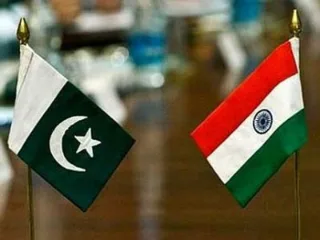

NEW DELHI, Oct. 28: India has invited Pakistan to participate in the inaugural Shanghai Cooperation Organisation (SCO) Civilisational Dialogue Forum, scheduled to be held in New Delhi from November 20 to 22, marking a significant multilateral engagement between the two countries following Operation Sindoor.
The invitation has been extended to all 10 SCO member states, including Pakistan, as part of India's initiative to promote cultural exchanges, civilisational understanding and cooperation among countries belonging to the Eurasian grouping.
The development is notable given the strained relationship between New Delhi and Islamabad following Operation Sindoor, India's military response to the April 2025 terrorist attack in Pahalgam.
However, the invitation forms part of India's obligations and engagement within the SCO framework and should not be interpreted as an indication of a bilateral diplomatic breakthrough.
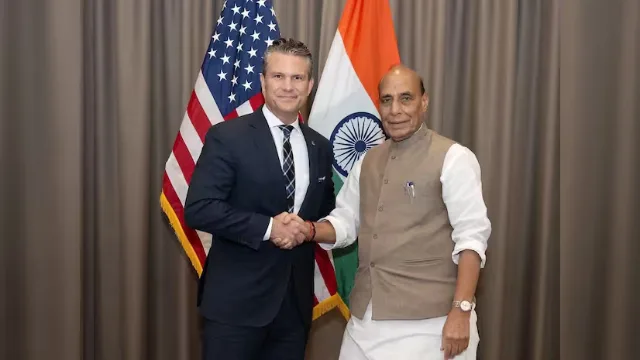
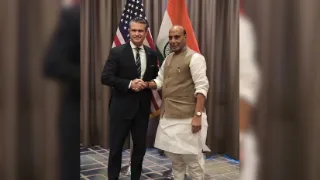
Defence Minister Rajnath Singh announced India's decision to host the forum during the SCO Council of Heads of Government meeting in Dushanbe, Tajikistan, on October 20.
Addressing representatives of the member countries, Singh said India would organise the first SCO Civilisational Dialogue Forum before the end of the year and invited all participating nations to attend.
The proposed gathering is intended to strengthen cultural connections and mutual understanding among countries with longstanding historical and civilisational links.
Singh highlighted India's traditional relationship with Tajikistan and its broader engagement with Central Asian countries, describing these ties as an important part of New Delhi's regional diplomacy.
He also referred to the SCO's 25-year journey and the discussions held during the organisation's summit in Bishkek, where member countries reviewed the grouping's achievements and future priorities.
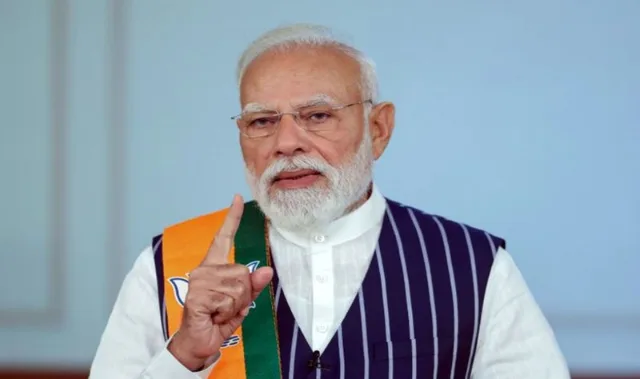
The Defence Minister recalled Prime Minister Narendra Modi's emphasis on strengthening security, connectivity and economic opportunities across the SCO region.
While the proposed forum focuses primarily on cultural and civilisational cooperation, India's participation in the organisation continues to be shaped by its concerns over terrorism and regional security.
During his address in Dushanbe, Singh called for a collective and uncompromising approach to combating terrorism, warning that extremist violence threatens lives, investment, commerce and the future of young people.
He stressed that countries must reject double standards in counter-terrorism efforts and act against networks that finance, support or shelter terrorist organisations.
The remarks reflected India's longstanding position that meaningful regional cooperation requires firm action against terrorism and the infrastructure supporting it.
Pakistan's Deputy Prime Minister Ishaq Dar was present at the Dushanbe meeting, although no bilateral talks between the Indian and Pakistani representatives were announced.
The invitation to the New Delhi forum therefore represents participation in a multilateral process rather than a separate diplomatic initiative directed exclusively at Islamabad.
India and Pakistan have continued to participate in SCO meetings despite serious disagreements over terrorism, regional security and bilateral relations.
The organisation provides a platform where both countries engage alongside China, Russia and Central Asian states on issues of shared regional importance.
Pakistan assumed the rotating chairmanship of the SCO Council of Heads of State for the 2026–27 term on September 1, taking over from Kyrgyzstan following the summit in Bishkek.
The SCO currently comprises Belarus, China, India, Iran, Kazakhstan, Kyrgyzstan, Pakistan, Russia, Tajikistan and Uzbekistan.
India and Pakistan became full members of the organisation in 2017, expanding its geographical reach and bringing two South Asian neighbours with a history of difficult relations into the same regional institution.
For New Delhi, participation in the SCO provides an avenue for engagement with Central Asian countries and other Eurasian powers on security, connectivity and economic cooperation.
The Civilisational Dialogue Forum adds a cultural dimension to that engagement, seeking to highlight historical connections and encourage exchanges among member states.
The invitation to Pakistan also illustrates the distinction India maintains between participation in established multilateral organisations and the resumption of normal bilateral relations.
New Delhi has repeatedly maintained that terrorism and dialogue cannot proceed together without credible action against terrorist groups operating from Pakistani territory.
That position has acquired additional significance following Operation Sindoor, which brought India-Pakistan security tensions into sharper focus.
There has been no indication that the invitation represents a change in India's counter-terrorism policy or that the government intends to initiate a separate bilateral dialogue with Pakistan during the event.
It also remains unclear whether Islamabad will send a delegation and, if so, at what level it will be represented.
The New Delhi forum will nevertheless provide another opportunity for SCO members to engage in discussions despite their differences on security and geopolitical issues.
For India, the central diplomatic challenge will be to maintain its participation in regional institutions while ensuring that cultural and multilateral engagement does not dilute its position on cross-border terrorism.
The November gathering is therefore best understood as a continuation of India's multilateral diplomacy, rather than evidence of a broader political reconciliation with Pakistan.