



NEW DELHI, Oct. 28: The Union Cabinet has approved a ₹7,395 crore scheme aimed at making Panchayati Raj institutions more self-reliant, strengthening local governance and improving their ability to respond to development needs in rural India.
The approval places renewed emphasis on the role of panchayats as institutions responsible for planning and implementing development activities at the village level.
Panchayats play an important role in identifying local infrastructure requirements, coordinating public services and overseeing development initiatives. However, their effectiveness often depends on administrative capacity, access to resources and the ability to plan and manage projects.
The new allocation signals an effort to address these institutional requirements and strengthen decentralised governance.
The scheme will cover more than 2.5 lakh gram panchayats across the country, with a focus on improving their financial independence, accountability and administrative performance.
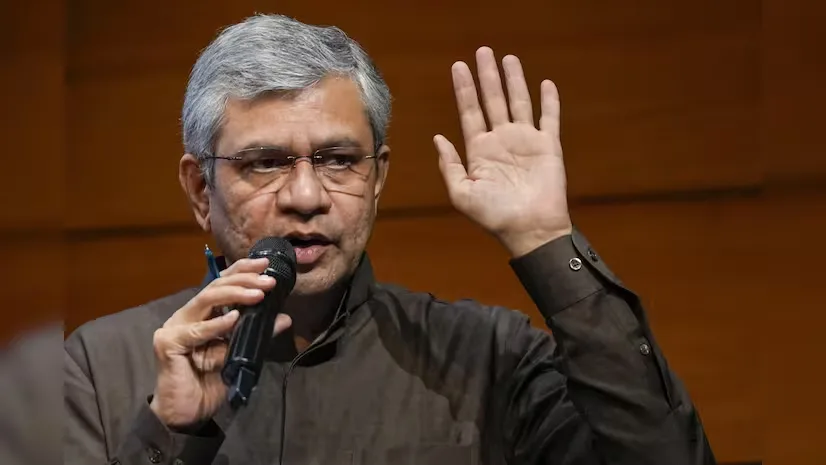
Union Information and Broadcasting Minister Ashwini Vaishnaw, briefing reporters after the Cabinet meeting, said the initiative marked a change in how rural development programmes would be planned and implemented.
Rather than relying primarily on centrally prescribed interventions, panchayats would be encouraged to identify their own resources, assess local constraints and prepare development plans suited to the needs of their communities.
A major component of the programme will be capacity-building for elected panchayat representatives. Both general and specialised training will be provided to strengthen their understanding of administration, financial management and local governance.
The scheme will also promote the use of digital systems to improve the functioning and accountability of local institutions.
Financial self-reliance is another central objective. The government intends to help panchayats make better use of Finance Commission grants while strengthening their ability to generate revenue independently.
Own-source revenue remains a longstanding challenge for India's three-tier Panchayati Raj system. Many village-level institutions depend heavily on government grants because their capacity to raise funds locally is limited.
During discussions between the Centre and state governments earlier this year, several obstacles to revenue generation were identified, including limited economic activity, low household incomes, social and economic constraints, and shortages of available land.
The contribution of own-source revenue to panchayats' annual receipts varies considerably, ranging from approximately 1 per cent to 40 per cent.
This variation reflects the differing economic circumstances of rural areas and the uneven ability of local institutions to mobilise financial resources.
The new scheme seeks to address these limitations by strengthening institutional capacity rather than relying exclusively on additional grants.
Greater financial independence could allow panchayats to respond more effectively to local requirements, including maintenance of community infrastructure, sanitation, public facilities and other essential services.
However, the ability to raise local revenue will continue to depend on the economic conditions of individual villages. Panchayats in poorer or geographically disadvantaged areas may require sustained government support even after administrative improvements.
The government's proposed approach therefore places considerable importance on improving the use of existing resources alongside efforts to generate additional income.
The initiative also reinforces the broader objective of decentralised planning, under which local elected institutions play a more active role in determining development priorities.
Its implementation will require coordination between the Centre, state governments and Panchayati Raj institutions, particularly in delivering training and strengthening financial management practices.
The Cabinet approval establishes the financial framework for the programme, although detailed implementation schedules, state-wise allocations and performance targets have not yet been specified.
The success of the ₹7,395 crore initiative will ultimately depend on whether panchayats acquire the administrative skills, financial resources and operational independence needed to plan and manage development activities more effectively.