LEH/JAMMU, Oct. 5
The Ladakh administration has assured residents of Zanskar that their demand for the restoration of a 1,000-year-old Buddhist temple will be examined, along with proposals to reconstruct the Zangla bridge and its link road and improve other public infrastructure in the remote region.
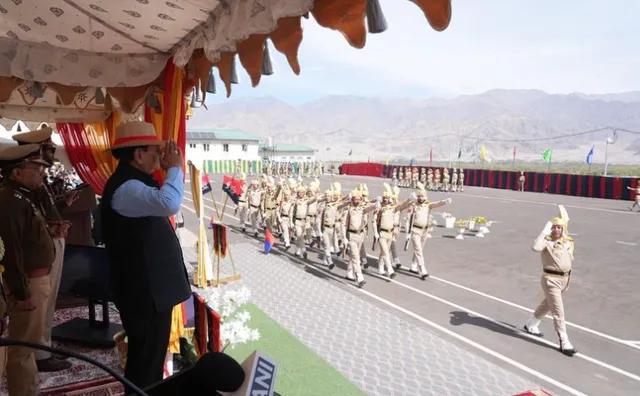
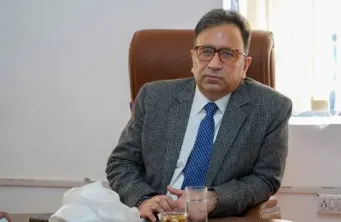
Chief Secretary Ashish Kundra gave the assurance during a two-day visit to Zanskar, where he reviewed development projects in and around Padum and met local residents and delegations. Earth News
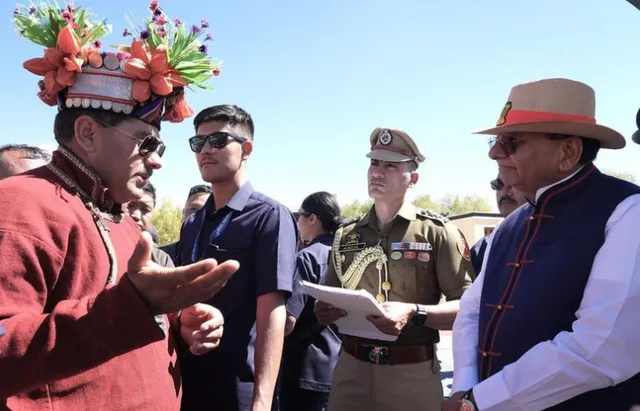
A delegation led by a local representative submitted a memorandum to the Chief Secretary detailing a series of development and infrastructure requirements. Among the prominent demands was the restoration of the centuries-old Buddhist temple, reflecting local concern over preserving Zanskar’s religious and cultural heritage.
The delegation also sought reconstruction of the link road and Zangla bridge, funding for parking facilities at Buddha Park, establishment of a library and improvements to telecommunications infrastructure.
Kundra assured the delegation that the demands would be examined by the departments concerned. No timeline for decisions on the individual proposals was announced. Earth News
The Chief Secretary also addressed a public gathering at Zangla village, providing residents an opportunity to raise local development concerns directly with the administration.
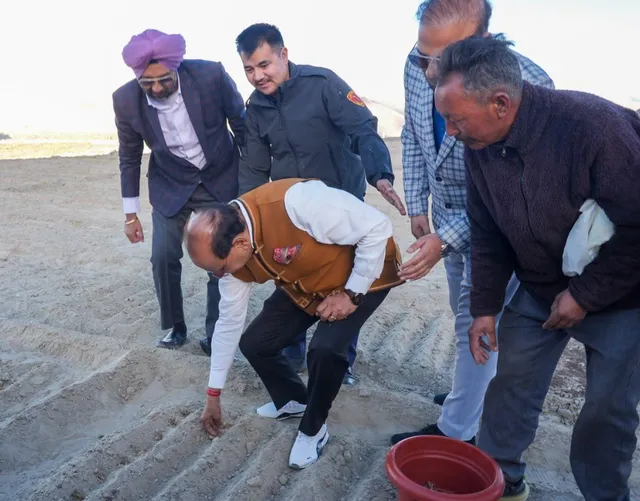
During his visit, Kundra inspected several projects being implemented under the Special Development Package. These included the new police station building, an amphitheatre being developed by the Tourism Department and the munsif court building.
At the court construction site, Kundra called for the development of an integrated judicial complex that could accommodate both the revenue court and the munsif court.
The proposed arrangement, he said, would allow better coordination and improve the delivery of judicial services in the area.
Kundra also visited Government Degree College in Padum, the Community Health Centre and the Handloom Weaving Centre. He reviewed ongoing activities at the institutions and assessed their infrastructure requirements. Earth News
The visit brought together several issues that remain particularly important for Zanskar, where difficult terrain and long distances make roads, bridges, telecommunications and access to public institutions central to everyday life.
The demand concerning the Buddhist temple adds a heritage dimension to those development requirements.
Zanskar’s Buddhist monasteries, temples and associated cultural sites form an important part of the region’s historical identity. Restoration of an old religious structure therefore involves not only maintaining a place of worship but also preserving physical heritage for future generations.
The administration has, however, made no announcement yet on the scope, cost or possible timeline of the proposed restoration. Kundra’s assurance at this stage is that the matter will be examined by the relevant departments.
The demand for reconstruction of the Zangla bridge and link road similarly forms part of the broader infrastructure concerns raised by residents.
Better road and bridge connectivity can have a direct bearing on access to healthcare, education, markets and government services in geographically isolated areas of Ladakh.
Telecommunications was another issue highlighted in the memorandum, reflecting the continuing importance of reliable digital connectivity in remote settlements.
The demand for a library and additional facilities at Buddha Park, meanwhile, points to residents seeking improvements that extend beyond basic connectivity to education, tourism and community infrastructure.
Kundra directed officials overseeing ongoing projects to maintain construction quality and ensure their timely completion while taking local requirements into account. Earth News
His visit to the college, health centre and weaving facility also allowed the administration to assess needs across education, healthcare and traditional livelihoods rather than limiting the review to major construction projects.
For residents of Zangla and the wider Zanskar region, attention will now turn to how the assurances translate into departmental action.
The proposed restoration of the 1,000-year-old Buddhist temple is likely to receive particular attention because of its cultural and religious significance, while the bridge, road and telecommunications demands have a more immediate bearing on connectivity and public services.
The next step rests with the departments tasked with examining the proposals and determining their technical, financial and administrative feasibility.