NEW DELHI, Oct. 5
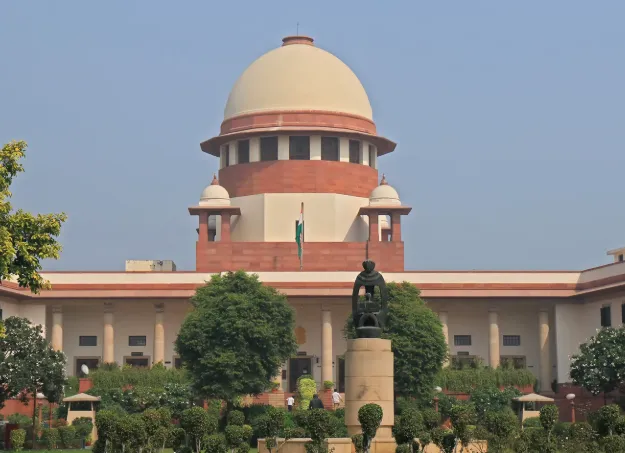
The Supreme Court on Monday clarified that it had never approved any modification to Form 6 used for voter enrolment, contradicting an earlier Election Commission of India claim that an additional declaration introduced during the Special Intensive Revision of electoral rolls had been upheld by the court.
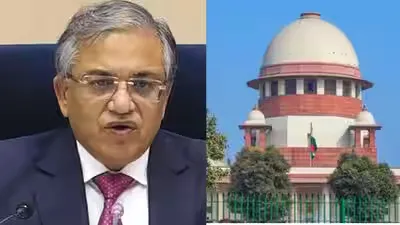
A three-judge Bench headed by Chief Justice of India Surya Kant said it would examine the official record to determine who authorised the change and could annul Election Commission decisions found to have been taken contrary to law.
“Any modified Form 6 has not been approved by us. Let us be clear,” the Chief Justice said during the hearing.
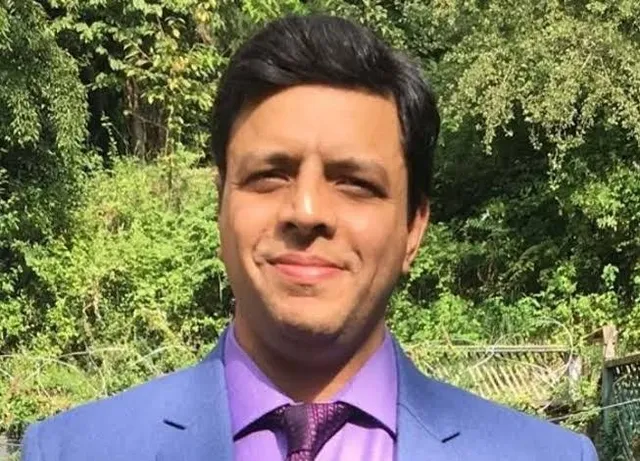
The observation came during proceedings on petitions challenging several decisions allegedly taken by Chief Election Commissioner Gyanesh Kumar without the approval of the other two Election Commissioners, Sukhbir Singh Sandhu and Vivek Joshi.
The Bench, which also comprised Justices Joymalya Bagchi and V Mohana, issued notices to the Election Commission and the Centre seeking their responses.
The court, however, declined at this stage to suspend Kumar or restrain him from taking further decisions as CEC.
Senior advocate Vikash Singh, appearing for one of the petitioners, had sought an interim direction preventing Kumar from taking further decisions and also sought his suspension.
The Bench expressed concern that suspending the Chief Election Commissioner could disrupt the functioning of the constitutional body responsible for conducting elections.
“If the CEC is suspended, the functioning of the Election Commission will be stalled. Who will conduct the elections?” the court observed.
The judges said they would first consider responses from the parties before deciding whether further intervention was necessary.
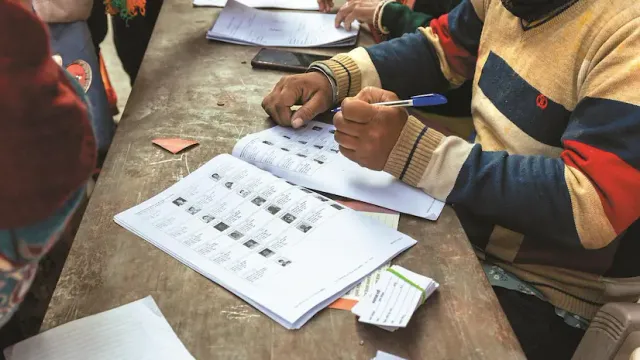
At the centre of the controversy is Form 6, the statutory form used by eligible citizens seeking inclusion of their names in electoral rolls.
During the SIR process, an additional declaration was introduced requiring applicants to state whether they, their parents or grandparents appeared on electoral rolls prepared during an earlier Special Intensive Revision.
The requirement triggered objections over whether the Election Commission could impose an additional condition linked to a statutory form without formally amending the Registration of Electors Rules, 1960.
The controversy intensified after reports indicated that applicants using the online system could not submit Form 6 without responding to the additional declaration, even though it was not displayed as a mandatory field.
Senior advocate Menaka Guruswamy, appearing for one of the petitioners, raised the issue before the Supreme Court on Monday.
Responding to her submission, the Chief Justice made clear that the court had not approved a modified Form 6 and said the Bench wanted to examine the record to establish how the change had been made.
The clarification is significant because the Election Commission had previously presented the Supreme Court’s position differently.
In a statement issued on September 26, the ECI said the declaration attached to Form 6 during the SIR had been upheld by the Supreme Court.
The Commission had relied on the court’s May 27, 2026 judgment concerning the Bihar SIR, in which the Supreme Court examined the ECI’s authority to seek additional documents during revision of electoral rolls.
However, the additional declaration that subsequently became controversial was introduced after that judgment.
The Election Commission has maintained that the statutory Form 6 itself was not amended and that the declaration constituted a separate requirement applicable specifically during the SIR.
The Commission has since separated Form 6 from the SIR-related declaration on its online portal in states where the revision exercise has been completed.
The issue is part of a broader legal challenge concerning how decisions are taken within the Election Commission.
One petition, filed by Rakesh Kumar Singh, asks the Supreme Court to determine whether the Chief Election Commissioner individually exercised powers that legally belong to the Election Commission collectively.
The challenge alleges that some decisions were taken without the approval of Election Commissioners Sandhu and Joshi.
The two Election Commissioners had also reportedly expressed concerns about incorporating the additional declaration without formally amending the electoral rules.
Under the statutory framework governing the Election Commission, differences among the CEC and Election Commissioners are required to be resolved according to the legally prescribed decision-making process.
The Supreme Court indicated that compliance with that framework would be central to its examination.
The Chief Justice said that if decisions had been taken without the unanimity or majority required under law, the court had the power to undo them.
“There is a mandatory law and we expect them to follow it,” the Bench observed, adding that any decision found to violate the prescribed process could be annulled.
The court’s refusal to suspend the CEC means Gyanesh Kumar will continue performing his duties while the petitions remain pending.
At the same time, issuing notice to the Centre and Election Commission ensures that the allegations concerning both Form 6 and the Commission’s internal decision-making will receive further judicial examination.
The proceedings could therefore have implications extending beyond the dispute over a single voter-enrolment declaration.
The court will have to consider the limits of the CEC’s individual authority, the legal requirements governing collective decisions of the Election Commission and whether measures introduced during the SIR complied with existing electoral law.
For now, the Supreme Court has settled one point clearly: its earlier orders did not constitute approval of the disputed modification linked to Form 6.
The next stage will involve examining the official record and determining who authorised the measure, whether the Election Commission followed the legally required decision-making process and what consequences should follow if it did not.