KATHMANDU, Sept. 29
Nepal plans to import as much as 1,100 megawatts of electricity from India during the coming winter to meet a seasonal shortfall in domestic hydropower generation, highlighting the increasingly two-way nature of electricity trade between the neighbouring countries.
The Nepal Electricity Authority is preparing to increase imports as water levels in rivers decline during the dry season, reducing output from Nepal’s predominantly run-of-river hydropower plants. The country generates surplus electricity during the monsoon but faces tighter supplies when river flows fall in winter.
Kulman Ghising, managing director of the Nepal Electricity Authority, said Nepal would need to import between 900 MW and 1,100 MW from India to manage demand during the dry months.
The imports would help bridge the gap between electricity demand and domestic generation at a time when hydropower output can fall sharply from monsoon levels.
Nepal’s power system has changed considerably over the past decade. Once affected by prolonged electricity shortages and scheduled power cuts, the country has added substantial hydropower capacity and now exports surplus electricity during periods of high generation.
The seasonal nature of its hydropower system, however, means it can move from being an electricity exporter to an importer within the same year.
During the monsoon, abundant river flows allow Nepalese hydropower stations to operate at much higher levels. Surplus electricity can then be sold to India. As the dry season develops, generation declines while domestic demand continues, requiring Nepal to purchase electricity from across the border.
The planned winter imports are therefore part of an increasingly integrated cross-border electricity market rather than simply a response to a permanent generation deficit.
India has become Nepal’s principal external electricity market, providing both a destination for surplus hydropower and a source of supply when Nepal’s own generation falls short.
Cross-border transmission infrastructure has expanded to support that trade.
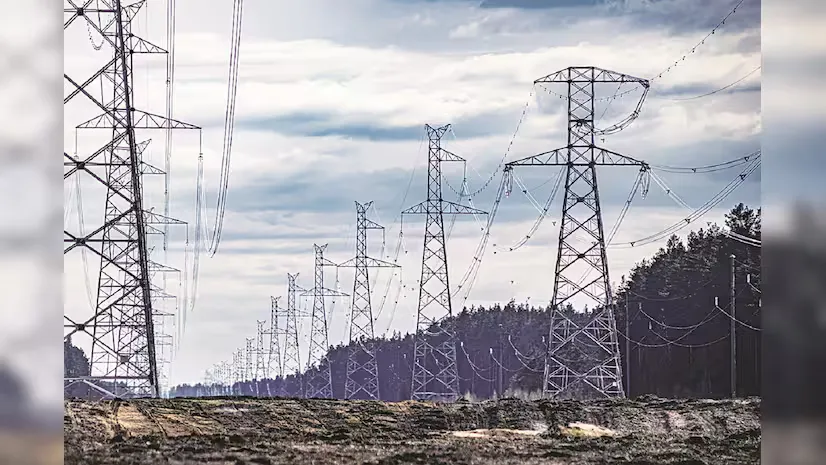
The Dhalkebar-Muzaffarpur transmission line is a key connection between the two national grids and has helped increase the volume of electricity that can be exchanged. Additional transmission projects are intended to provide further capacity as Nepal develops more hydropower projects and regional electricity trade grows.
The commercial relationship has expanded alongside the infrastructure.
Nepal has received approval to sell electricity generated by a growing number of hydropower projects into the Indian market. The arrangement allows the country to earn revenue from electricity that might otherwise be surplus during periods of high river flow.
India, in turn, can supply power to Nepal during winter when its hydropower output declines.
The system effectively allows Nepal to use the much larger Indian electricity market to balance the seasonal characteristics of its own generation.
That flexibility is important because Nepal’s electricity sector remains heavily dependent on hydropower.
Run-of-river plants, which account for a large part of installed capacity, have relatively limited ability to store water for later use. Their output therefore rises and falls more directly with river flows than electricity generated from large reservoir-based hydropower stations.
During the monsoon, generation can exceed domestic demand. In winter, the same plants may produce only a fraction of their rated capacity.
Building more reservoir-based projects could reduce the severity of that seasonal imbalance, but such facilities require large investments, long construction periods and substantial infrastructure.
Until Nepal develops a more diversified generation mix and greater storage capacity, imports are likely to remain an important part of winter electricity management.
The expected requirement of as much as 1,100 MW also reflects rising electricity consumption within Nepal.
Demand has increased as access to electricity has expanded and households and businesses have increased their use of electrical appliances and equipment. The government has also encouraged greater domestic electricity consumption as additional hydropower projects enter service.
Nepal is seeking to use more electricity in transport, cooking and industry, reducing dependence on imported petroleum products and making greater use of its domestic hydropower resources.
Higher demand, however, increases the amount of electricity that must be available during the dry season.
That makes cross-border power trade particularly important. Without sufficient imports during periods of low hydropower production, Nepal could face pressure on supply even while possessing enough installed capacity to generate substantial surpluses during other parts of the year.
The India-Nepal electricity relationship is also expanding beyond short-term seasonal exchanges.
The two countries have agreed on a longer-term framework under which India aims to import as much as 10,000 MW of electricity from Nepal over 10 years. That creates a potentially much larger market for Nepal’s hydropower sector as new projects are developed.
Nepal has also begun exporting electricity to Bangladesh through the Indian grid, adding a regional dimension to cross-border power trade.
Those arrangements could eventually allow Nepal to use its hydropower resources not only to meet domestic requirements but also as an export industry serving the wider South Asian electricity market.
For that model to work efficiently, however, Nepal needs both export access during periods of surplus and reliable imports when its own generation declines.
The planned winter purchases from India illustrate that relationship.
Nepal may export increasing quantities of hydropower as its generation capacity expands, but the seasonal characteristics of its rivers mean that greater installed capacity does not automatically eliminate the need for imports.
For the coming winter, the immediate requirement is straightforward: as river flows fall and domestic hydropower production declines, Nepal expects India to provide as much as 1,100 MW to keep supply aligned with demand.
The arrangement shows how electricity trade between the two countries is evolving from a one-directional supply relationship into a seasonal exchange, with power increasingly moving across the border according to where and when it is needed.