JAMMU, Oct. 1
The Jammu and Kashmir government has approved ₹15 crore for the restoration and development of the traditional route to the Shri Mata Vaishno Devi shrine, Chief Minister Omar Abdullah told the Legislative Assembly, as the administration seeks to revive the historic pilgrimage trail and improve facilities along it.
Responding to a question raised by MLA Baldev Raj Sharma, Abdullah said the project had been approved under the Capital Expenditure Budget for 2026-27.
The proposed work will focus on restoring the traditional route and developing infrastructure for pilgrims using the track.
The Chief Minister said the project would be taken up by the Public Works Department.
The traditional route has historical and religious significance for the Vaishno Devi pilgrimage and passes through locations associated with the older journey to the shrine before the development of the present-day infrastructure used by most pilgrims.
The government’s ₹15 crore allocation is intended to improve the condition of the route and facilitate its greater use by pilgrims.
During the Assembly discussion, Sharma highlighted the importance of restoring the traditional track and developing it as an alternative pilgrimage route.
The issue has particular relevance for communities located along the older route, as its revival could potentially increase pilgrim movement through these areas and support local economic activity connected with the pilgrimage.
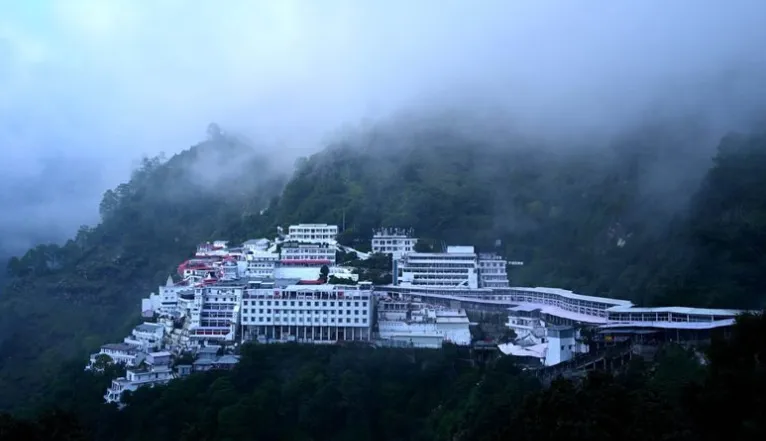
The Shri Mata Vaishno Devi shrine, located in the Trikuta Hills of Reasi district, is among India’s most visited pilgrimage destinations. Katra serves as the principal base for devotees travelling to the shrine.
Over the years, substantial infrastructure has been developed to improve access to the shrine, including upgraded tracks and other facilities for pilgrims.
The traditional route, however, represents an older part of the pilgrimage’s history and has periodically been the subject of demands for restoration and development.
The latest approval gives those proposals a specific financial allocation.
Abdullah’s statement in the Assembly confirms that ₹15 crore has been earmarked under the current financial year’s capital expenditure programme, moving the proposal from a demand for restoration to an approved government project.
The Public Works Department will now be responsible for implementing the project.
The source report does not provide a detailed breakdown of how the ₹15 crore will be spent or specify the individual works proposed along the route.
It also does not provide a completion deadline for the restoration.
The eventual impact of the project will therefore depend on the detailed execution plan, including the condition of different sections of the route and the infrastructure required to make them suitable for regular pilgrim movement.
Restoring traditional pilgrimage routes can serve two purposes. It can preserve the historical character of a religious journey while creating additional infrastructure for visitors.
In the case of Vaishno Devi, where large numbers of pilgrims travel through Katra each year, an improved traditional route could also provide another option for devotees seeking to experience the older pilgrimage trail.
For communities situated along the route, increased pilgrim movement could create opportunities for small businesses and services associated with the yatra.
The project also fits into broader efforts to improve pilgrimage and tourism infrastructure across Jammu and Kashmir.
For now, the government’s commitment is specific: ₹15 crore has been approved under the 2026-27 Capital Expenditure Budget for restoration and development of the traditional Vaishno Devi route, with the Public Works Department tasked with carrying out the work.
The next stage will be implementation on the ground and the preparation of infrastructure needed to bring the historic route back into greater use by pilgrims.