SRINAGAR, Oct. 2
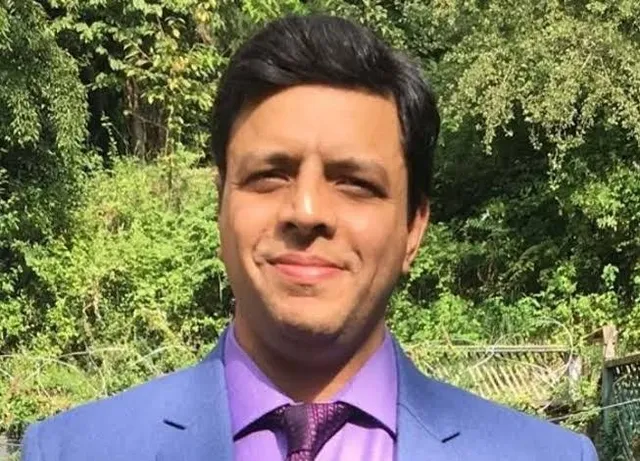
Jammu and Kashmir Chief Secretary Atal Dulloo has directed all Deputy Commissioners to ensure 100 per cent coverage of eligible farmers under AgriStack, calling for the timely completion of Farmer IDs so cultivators can access agricultural schemes and services through a verified digital system.
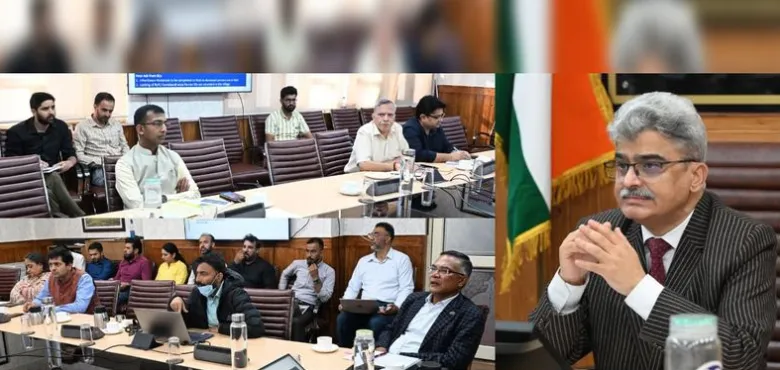
Dulloo issued the directions while reviewing implementation of AgriStack across Jammu and Kashmir with senior civil and agriculture department officials.
The Chief Secretary asked Deputy Commissioners to personally monitor progress in their districts and certify that every eligible farmer has been covered under the programme.
The administration is focusing particularly on completion of Farmer IDs, which are intended to provide farmers with a unique digital identity linked to their agricultural records.
Dulloo stressed that no eligible farmer should be left outside the system and asked district administrations to identify and resolve gaps preventing registration.
AgriStack forms part of the Digital Agriculture Mission and is intended to create digital public infrastructure for the agriculture sector.
One of its central components is the Farmer Registry, which provides eligible cultivators with Farmer IDs that can be used to establish their identity for accessing government programmes and agriculture-related services.
The digital system is designed to reduce repeated verification of farmers across different schemes and enable departments to provide services using authenticated agricultural information.
During the review, Dulloo examined district-wise progress in generating Farmer IDs and sought information about areas where coverage remained incomplete.
Deputy Commissioners were asked to coordinate closely with the Agriculture Department and revenue authorities to address pending cases.
The Chief Secretary placed responsibility on district administrations not only to achieve the coverage target but also to certify that all eligible farmers within their jurisdictions had been included.
The certification requirement is intended to ensure that completion is measured against the actual eligible farming population rather than simply the number of registrations undertaken.
Officials were asked to intensify field-level mobilisation wherever Farmer ID generation remained pending.
The exercise requires coordination between different administrative datasets because farmer identification can involve verification of personal and land-related information.
Accurate records are important because errors or incomplete information could potentially prevent eligible farmers from receiving benefits linked to the digital system.
The administration therefore wants pending discrepancies resolved as the registration exercise moves towards full coverage.
The initiative is expected to make it easier for government departments to identify beneficiaries and deliver agricultural services more efficiently.
A verified Farmer ID can potentially reduce the need for farmers to repeatedly submit the same information while applying for different government schemes.
AgriStack is also intended to improve the quality of agricultural databases available to policymakers.
Better information about farmers, holdings and agricultural activity can assist authorities in designing programmes, identifying eligible beneficiaries and monitoring implementation.
For farmers, however, the immediate significance lies in access to government benefits and services.
Dulloo’s direction for 100 per cent coverage indicates that the administration does not want farmers excluded from schemes because their digital registration remains incomplete.
District administrations have consequently been asked to treat pending Farmer IDs as a priority.
The Chief Secretary also emphasised close monitoring at the Deputy Commissioner level rather than leaving implementation entirely to field functionaries.
The approach reflects the scale of the exercise, which requires registration and verification across agricultural communities spread through both the Jammu and Kashmir divisions.
Implementation can be particularly challenging in remote and mountainous areas, where farmers may have limited access to administrative offices or digital services.
Field-level outreach will therefore be important for achieving the target.
The government expects the Farmer Registry to eventually provide a common digital foundation through which agricultural programmes can be delivered more accurately and efficiently.
Successful implementation will depend not only on generating IDs but also on maintaining accurate records and ensuring that eligible farmers can use the system without unnecessary procedural difficulties.
Dulloo’s latest directions move the programme towards its next milestone: every Deputy Commissioner must ensure coverage of the remaining eligible farmers and certify completion within the district.
Once that exercise is completed, Jammu and Kashmir would have a comprehensive Farmer Registry that can serve as the digital backbone for delivering agricultural schemes and services across the Union Territory.