JAMMU, Oct. 6
The Jammu and Kashmir government has approved the transfer of land for installing mobile towers at 12 underserved locations, seeking to improve telecom coverage in areas where residents continue to face weak or inadequate connectivity.
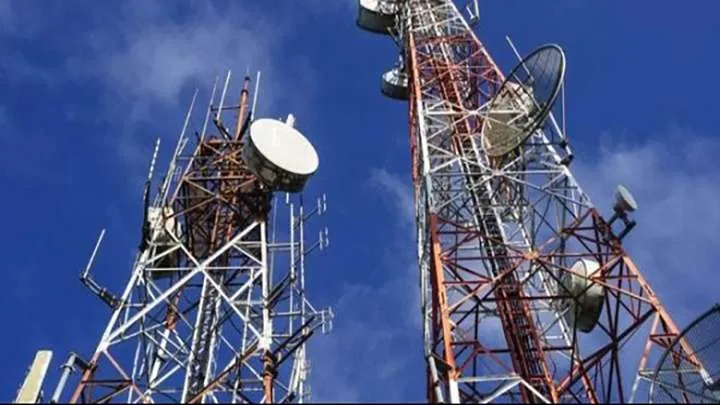
The land will be provided to Bharat Sanchar Nigam Limited for setting up mobile towers under the Centre’s programme to extend 4G connectivity to uncovered villages and difficult-to-reach areas.
The decision covers locations spread across multiple districts of the Union Territory and is intended to remove one of the key administrative hurdles in expanding telecom infrastructure in remote settlements.
Under the approval, government land will be transferred to BSNL for establishing the towers and associated infrastructure. The sites have been identified on the basis of requirements for improving mobile coverage in areas that remain underserved by existing telecom networks.
The move is part of the wider effort to close connectivity gaps across Jammu and Kashmir, particularly in rural, mountainous and geographically isolated areas where commercial telecom expansion has often been constrained by terrain, sparse populations and infrastructure limitations.
Reliable mobile connectivity has become increasingly important for services that extend well beyond voice calls.
Access to online education, telemedicine, digital banking, government portals, emergency communication and welfare schemes increasingly depends on stable mobile and internet networks. Weak connectivity can therefore leave remote communities at a disadvantage even where physical public infrastructure is available.
The expansion of 4G coverage is also expected to improve access to digital government services. A growing number of applications, certificates, payments and public-service platforms are now delivered online, making internet connectivity an important part of access to administration.
For students in remote areas, stronger networks can improve access to online learning resources and educational platforms. Similarly, better connectivity can allow residents to use digital payment systems and banking services without travelling long distances.
Healthcare is another area where improved telecom coverage can have a direct impact. Mobile internet can support consultations, communication between health facilities and access to medical information, particularly in settlements located far from major hospitals.
The significance is greater in mountainous parts of Jammu and Kashmir, where road movement can be affected by snowfall, landslides and difficult terrain. During emergencies or periods when physical connectivity is disrupted, functioning telecommunications can become a critical link between isolated communities and district authorities.
The allocation of land addresses an important requirement for tower construction. Telecom projects in remote areas can be delayed by the availability of suitable sites, permissions and access to government land.
With the sites approved, BSNL can move ahead with the process required for establishing the infrastructure, subject to technical and operational requirements.
The project also fits into the Centre’s broader programme to extend 4G mobile services to villages that remain outside reliable telecom coverage.
Government-backed expansion is particularly important in locations where low population density or difficult geography may make deployment commercially unattractive for private operators.
Jammu and Kashmir’s terrain presents distinctive challenges for telecom infrastructure. Mountain ranges can interfere with signals, while towers in high-altitude or remote locations require reliable power supplies, road access and regular maintenance under difficult weather conditions.
Closing the remaining coverage gaps therefore often requires more than installing conventional towers in population centres. Networks must be planned around terrain, settlement patterns and the practical difficulties of maintaining infrastructure throughout the year.
The approval for the 12 locations represents a targeted step towards addressing those gaps.
Once operational, the towers are expected to strengthen mobile and data services for communities that have remained poorly connected despite the rapid expansion of digital infrastructure elsewhere in the Union Territory.
The immediate next stage will involve BSNL completing the technical and infrastructure work required at the approved sites.
For the affected communities, the significance of the project will ultimately depend on how quickly the towers become operational and the quality of coverage they provide.
The government’s decision nevertheless clears an important administrative requirement and moves the 12 underserved locations closer to reliable mobile connectivity.