

TEL AVIV, Oct. 6
Israel scrambled fighter jets and prepared for the possibility of shooting down a flydubai passenger aircraft after it transmitted a hijack alert and stopped responding to communications during an alleged attempt by its co-pilot to seize control of the flight, according to a report cited by NDTV.
The aircraft, carrying more than 170 passengers and crew, most of them Israeli, was flying from Dubai to Tel Aviv when the emergency unfolded. Israeli authorities feared the aircraft could be used in an attack as it approached the country, prompting procedures developed for a possible September 11-style scenario to be activated.
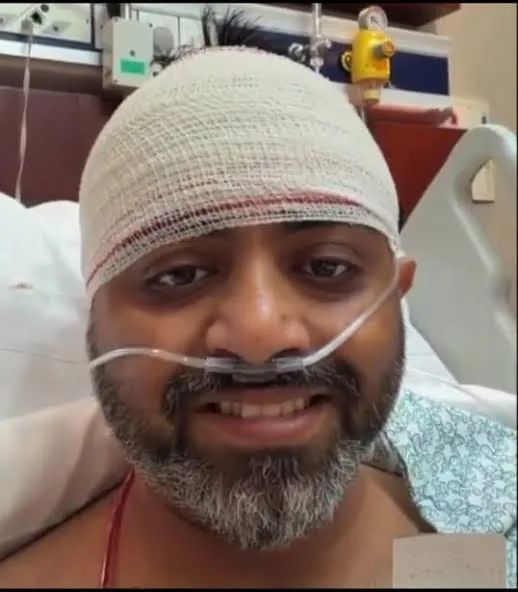
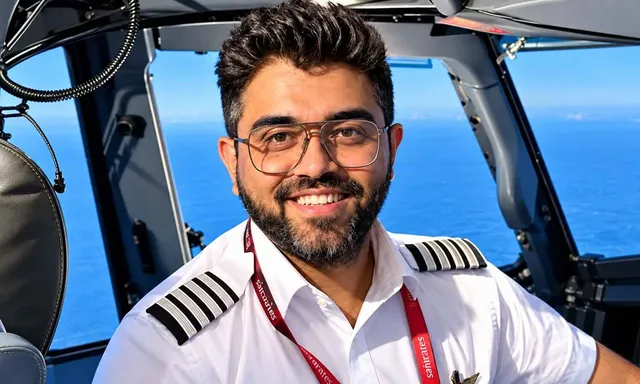
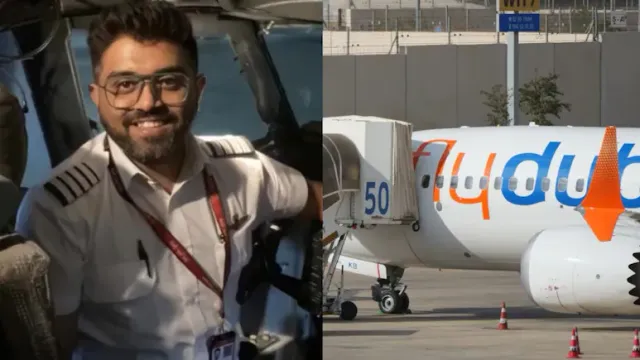
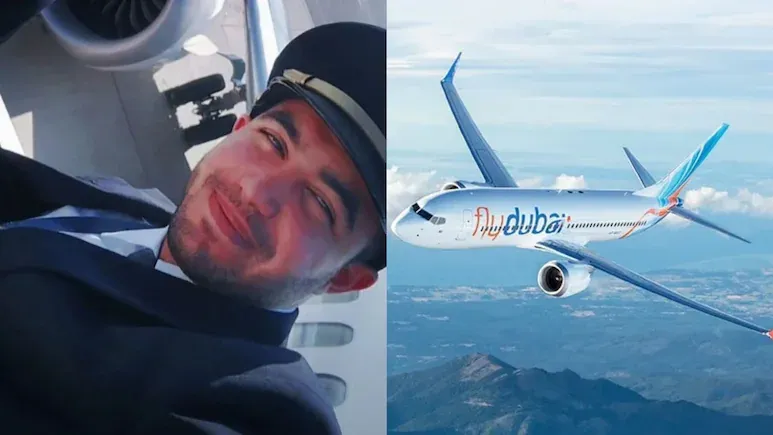
The flight had briefly entered Jordanian airspace when its Omani co-pilot, Hamam al-Hammami, allegedly stabbed Indian captain Smit Machchhar and attempted to take control of the aircraft, according to the account. Israeli Prime Minister Benjamin Netanyahu has said the co-pilot tried to crash the plane. The allegations remain subject to investigation.
The situation escalated sharply when the aircraft plunged nearly 18,000 feet within a short period. Israeli authorities attempted to establish contact with the cockpit but received no response.
A pre-established emergency committee was convened and a command centre activated. Israeli fighter aircraft were scrambled and the country’s airspace was closed as officials sought to determine whether the passenger jet was under hostile control.
The Israeli response was part of an established protocol for dealing with an unresponsive aircraft suspected of being hijacked.
Under that procedure, fighter pilots would first approach the aircraft and attempt to inspect the cockpit visually. They would then assess conditions inside the passenger cabin for indications of panic or a hijacking and relay what they could observe to the Israeli Air Force and the emergency committee.
If the aircraft remained unresponsive and was assessed to have been hijacked, the matter would be escalated to Israel’s defence minister and prime minister.
The protocol ultimately allows for a rogue aircraft approaching Israel to be shot down if it is considered an imminent threat. Such a decision, however, could only be authorised by the prime minister, according to people familiar with the procedures.
The potential consequences were severe. Israeli authorities had to consider the possibility that an aircraft carrying more than 170 people could itself be used as a weapon against a densely populated area, Ben Gurion Airport or another major target.
The situation changed before the flydubai aircraft reached the point at which such a decision might have been required.
Instead of continuing towards Israeli airspace, the aircraft turned towards Saudi Arabia. Saudi authorities had also scrambled fighter jets as the emergency developed.
Israeli officials then managed to establish further information about what was happening aboard the aircraft.
Captain Machchhar had reportedly been able to resist the co-pilot long enough to unlock the cockpit door. A group of Israeli passengers and flydubai staff then overpowered the alleged attacker, while two off-duty pilots aboard the aircraft took control.
The plane was subsequently diverted to Tabuk in Saudi Arabia, where it made an emergency landing.
According to the account of Israel’s emergency procedures, Israeli fighters could have entered Jordanian airspace to investigate had the aircraft continued approaching Israel without establishing communications.
The episode highlights how rapidly an in-flight security emergency can become a national-security crisis when authorities cannot determine who controls an aircraft or its intentions.
Al-Hammami is being held in the United Arab Emirates following the incident.
He has reportedly told investigators that the attack had been planned before he joined flydubai. According to the account of his statements to investigators, he intended to kill the captain, seize the aircraft, obtain ground clearance and crash the plane at Ben Gurion Airport.
Those claims form part of an ongoing investigation and have not been independently established.
Al-Hammami had reportedly worked for flydubai for about eight months. A LinkedIn profile bearing his name, which was subsequently deleted, indicated that he had previously worked for Oman Air for seven years and left that airline in February 2025.
Investigators are examining whether anyone else was involved.
People familiar with the investigation have said the attempted hijacking was likely the work of a lone attacker, although inquiries into the motive, planning and wider circumstances are continuing.
For Israel, the episode also provides a rare public glimpse into the procedures designed to deal with a hijacked civilian aircraft approaching the country.
Those procedures are intended to create several opportunities to determine what is happening aboard an unresponsive aircraft before lethal action is considered. Visual inspection by fighter pilots, attempts to establish communications and assessment by a designated emergency committee are part of that process.
But the final option remains stark. If authorities determine that a hijacked aircraft is being used as a weapon and continues towards a high-value target, the protocol allows it to be destroyed even with passengers aboard.
In the case of the flydubai flight, that decision was never reached. The aircraft’s turn towards Saudi Arabia, the resistance inside the cockpit and the intervention of passengers, crew and the off-duty pilots changed the course of the emergency before the aircraft entered Israeli airspace.
What began as an alleged assault inside the cockpit had, within minutes, triggered fighter deployments and preparations for one of the most difficult decisions any government could face.