DODA, Oct. 2
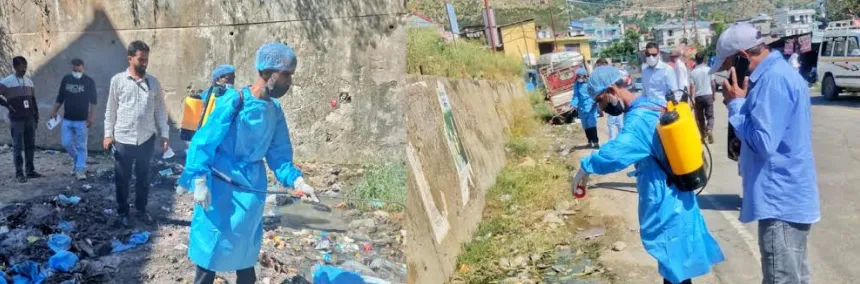
Health authorities in Jammu and Kashmir’s Doda district have intensified dengue surveillance and preventive measures, stepping up field monitoring, testing and public awareness efforts to contain the spread of the mosquito-borne disease.
The measures are being carried out under the supervision of the district health administration, with teams deployed to monitor areas for potential dengue cases and mosquito breeding sites.
Officials said surveillance activities have been strengthened as part of efforts to identify suspected cases early and prevent local transmission.
Health teams are focusing on both disease surveillance and vector control, with particular attention to areas where conditions may allow Aedes mosquitoes, which transmit dengue, to breed.
The district administration has emphasised early detection as an important part of the response. Suspected cases are being monitored and samples are being tested where required so that infections can be identified and appropriate medical measures initiated.
Field teams are also carrying out awareness activities to encourage residents to prevent water from accumulating around homes and other premises.
Stagnant water in containers, coolers and other exposed locations can provide breeding sites for mosquitoes, making household-level prevention an important component of dengue control.
Residents have been advised to regularly inspect their surroundings, remove standing water and maintain cleanliness to reduce potential breeding sites.
The health authorities are simultaneously monitoring the situation through their surveillance network so that any increase in suspected cases can be identified quickly.
Dengue can cause symptoms including high fever, severe headache, muscle and joint pain, nausea and rashes. While many patients recover with appropriate care, some infections can develop into severe dengue and require timely medical intervention.
Health officials have therefore urged people experiencing symptoms consistent with dengue to seek medical advice rather than rely on self-medication.
The intensified surveillance in Doda is intended to combine early identification of infections with measures aimed at interrupting mosquito breeding and transmission.
Public participation remains important because many potential breeding sites can develop around residential and commercial premises, where small quantities of stagnant water may remain unnoticed.
Awareness campaigns are consequently being used alongside surveillance and medical preparedness.
Health workers are educating communities about measures that can reduce mosquito exposure and encouraging residents to cooperate with field teams carrying out inspections and preventive activities.
The district health administration is also maintaining coordination between field staff and medical facilities so that suspected cases can be reported, examined and followed up.
The current exercise is preventive as well as responsive. Rather than waiting for a substantial increase in infections, authorities are seeking to strengthen surveillance while simultaneously reducing conditions favourable for mosquito breeding.
The report does not indicate a major dengue outbreak in Doda or provide figures showing a sharp rise in confirmed cases. The intensified measures should therefore not by themselves be interpreted as evidence of an outbreak.
Instead, the administration’s focus is on strengthening preparedness, monitoring possible cases and encouraging preventive action among residents.
For people in the district, the immediate advice remains straightforward: eliminate stagnant water, keep surroundings clean, protect against mosquito bites and seek medical attention if symptoms associated with dengue develop.
With surveillance now intensified, health authorities in Doda are seeking to detect infections early and reduce the risk of wider transmission through a combination of monitoring, testing, vector control and community awareness.