
NEW DELHI, Sept. 22
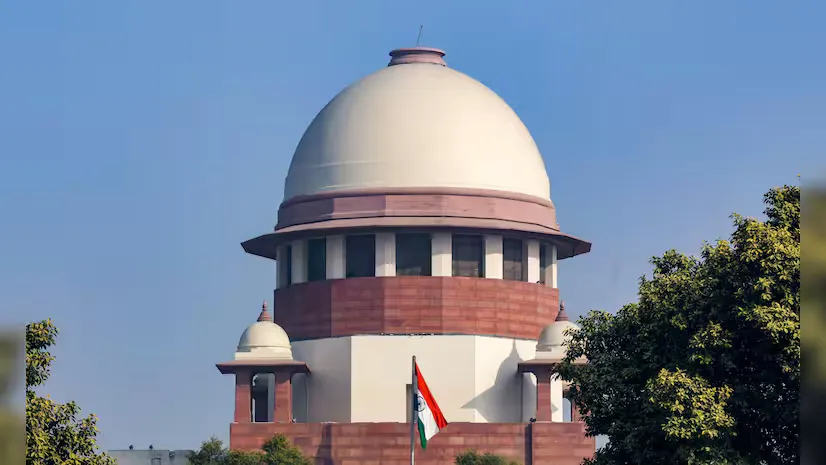
The Supreme Court has ordered private universities across India to disclose five years of audited accounts, fee collections, use of funds and investments of surplus money as it begins a wider examination of whether privately run higher-education institutions are operating primarily for educational purposes rather than profit.
A Bench of Justices Ahsanuddin Amanullah and N V Anjaria said private universities could not be permitted to function purely as profit-making institutions. At the same time, the court recognised that universities require a reasonable financial cushion to operate effectively and adequately pay their teaching and non-teaching employees.
The proceedings began with a grievance brought by a student against Noida-based Amity University. The Supreme Court subsequently widened the scope of the case, saying the larger public interest required an examination of how private universities are established and regulated and what benefits they receive from governments.
The court’s directions go well beyond a conventional audit of university finances. They cover fees, investments, admissions, recruitment, salaries, teaching workloads, grievance mechanisms, government concessions and regulatory inspections, creating a broad review of how private universities function.
Universities have been directed to provide details of the funds they generated and used during the past five years. They must also disclose payments made to people who were not directly involved in educational functions and explain how surplus funds were handled and where they were invested.
The court has separately sought a detailed account of the money collected from students.
Institutions must disclose fees charged at admission and during the course of study, including amounts collected under categories such as development funds and charges for special events. The disclosures could provide the court with a clearer picture of both the stated cost of education and additional charges imposed on students during their time at a university.
Admissions will also come under scrutiny. Universities have been asked to explain the procedure followed for admission to each course and identify the roles played by management and other officials in that process.
The court has sought similar information about academic administration, including who sets examination papers, who conducts examinations, how answer sheets are evaluated and which officials are involved in handling university funds.
Faculty recruitment and employment practices form another substantial part of the disclosure requirements.
Private universities must provide details about how teaching and non-teaching employees are recruited, the salaries and other remuneration they receive, and the method through which those payments are made. Information about service conditions must also be submitted.
The Supreme Court has gone further by asking institutions to provide records from January 2025 onwards showing the classes allocated to individual teachers, the classes they actually conducted and the alternative arrangements made when a teacher was unavailable.
That requirement brings the review directly into the day-to-day academic functioning of private universities rather than limiting it to their balance sheets.
The court has also asked institutions to disclose how they deal with complaints from students and others.
Universities must provide details of their grievance-redressal mechanisms, including their composition, the number and nature of complaints received during the past three years, the outcome of those complaints and how long institutions took to resolve them.
Government support received by private institutions will also be examined.
The court has directed universities to disclose benefits provided by the Centre or state governments, including land allotments, legal relaxations and other concessions. The information could allow the court to examine the relationship between public support extended to private universities and the manner in which those institutions use their resources.
Universities and colleges associated with hospitals face additional disclosure requirements. They have been asked to provide information about those hospitals and explain the relationship between the healthcare facilities and the educational institutions.
The review will not be confined to information supplied by universities themselves.
Recognising and affiliating authorities have been directed to submit details of inspections carried out over the past five years, including information concerning faculty members and supporting staff. Professional regulatory bodies overseeing medicine, dentistry, nursing, law, pharmacy and veterinary education have also been brought within the disclosure exercise.
The breadth of the directions is significant. Rather than examining only whether universities have complied with individual financial or administrative requirements, the court is seeking information across the full institutional chain — from the collection of student fees and investment of surplus funds to recruitment, teaching, examinations, complaints and regulatory inspections.
The court has not concluded that private universities covered by the proceedings have violated the law or improperly generated profits. The disclosures are part of an ongoing judicial examination, and the information sought will have to be assessed before any such conclusions can be reached.
The distinction is important because the Bench itself recognised that educational institutions require financial stability. Universities must maintain infrastructure, employ qualified faculty and other staff and meet recurring operational expenses. The question before the court is therefore not whether a private university may generate a surplus, but how its finances and institutional structures relate to its educational purpose.
The proceedings could consequently develop into a wider examination of transparency and accountability in India’s private higher-education sector.
By seeking information from universities as well as the bodies responsible for recognising, affiliating and inspecting them, the Supreme Court has expanded the inquiry beyond the finances of individual institutions to include the effectiveness of the regulatory system around them.
The matter will next be heard on November 19.