MUMBAI, Sept. 30
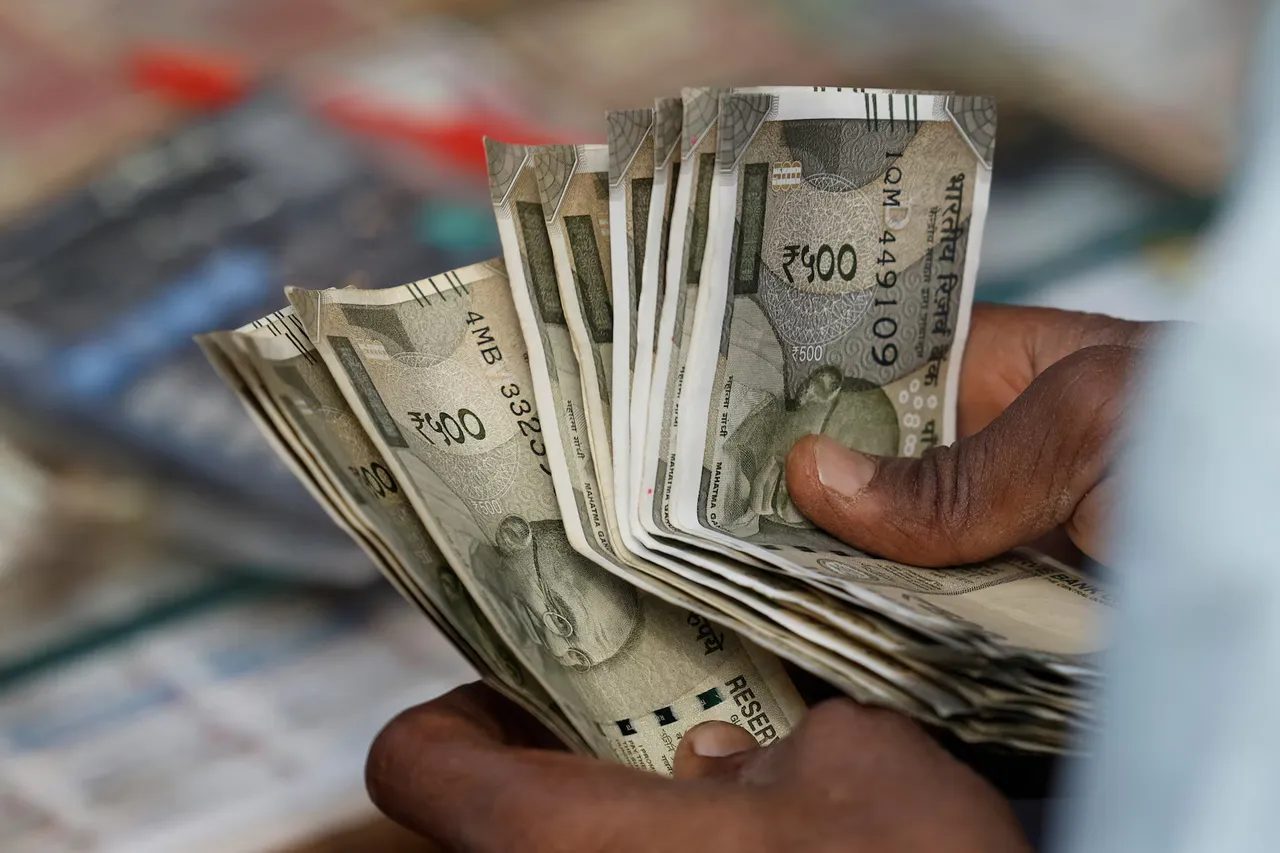
The Indian rupee weakened past 96 to the US dollar on Tuesday, touching its lowest level in two months as surging crude oil prices and persistent foreign portfolio outflows increased pressure on the currency and raised concerns over the impact of higher energy costs on India’s economy.
The rupee fell to an intraday low of 96.1475 against the dollar, down nearly 0.2 per cent, before recovering some of its losses as traders pointed to likely intervention by the Reserve Bank of India.
The decline came as Brent crude rose 2 per cent to $107.4 a barrel. Concerns over disruptions to Middle Eastern oil supplies caused by the US-Iran conflict outweighed signs that crude exports from the region were beginning to recover.
Higher oil prices are particularly important for India because of its dependence on imported energy. A sustained increase raises the country’s import bill and increases demand for dollars from refiners, adding pressure on the rupee.
The oil surge also weighed on financial markets across Asia. MSCI’s gauge of Asian equities declined nearly 1 per cent, while stocks in Mumbai fell by a similar amount.
Currency markets were simultaneously dealing with rising global bond yields as investors increased bets that central banks may have to raise interest rates to contain inflation.
The combination of expensive oil, stronger global yields and continued foreign capital withdrawals has created a difficult environment for the rupee.
Overseas investors have net sold $3.7 billion of Indian equities and bonds so far in September. Net portfolio outflows since the beginning of the year have reached $19.6 billion.
Foreign selling can place additional pressure on the currency because investors withdrawing money from Indian assets typically convert rupees into foreign currencies.
The recent rise in crude prices has added another source of dollar demand at a time when overseas investment flows are already negative.
The rupee’s move through the 96 level consequently drew attention to the RBI’s willingness to limit volatility in the foreign exchange market.
The currency recovered from its intraday low following what market participants believed was intervention by the central bank. The RBI does not routinely disclose its foreign exchange operations in real time.
Amit Pabari, managing director at foreign exchange advisory firm CR Forex, said the central bank appeared determined to defend the area around 96 to the dollar.
“The RBI’s evident intent to defend the 96 zone and the continuing swap inflows suggest that upside will remain limited, with 96.10-96.20 as a key resistance zone. A sustained break below 95.70 could open the way towards 95.20-95.00,” Pabari said.
The pressure on the currency is also feeding into expectations ahead of the RBI’s October monetary policy meeting.
Persistent inflation, resilient economic growth and expectations that interest rates may rise internationally have reduced the case for keeping Indian rates unchanged.
An increase in policy rates could provide some support to the rupee by raising the cost of taking positions against the currency and improving the relative attractiveness of Indian fixed-income assets.
Any monetary policy decision would, however, have to balance currency and inflation pressures against its effect on domestic borrowing costs and economic activity.
Crude oil remains an important part of that calculation.
Higher energy prices can affect India through several channels. Beyond increasing demand for foreign currency to pay for imports, they can feed into transport and production costs and eventually influence inflation.
The current increase has been driven by geopolitical risks rather than a simple expansion in global demand.
Oil markets have been assessing the possibility of further supply disruptions from the Middle East as the US-Iran conflict continues. Although recovering exports have offered some relief, concerns over the security of regional supplies remain strong enough to keep crude prices elevated.
That uncertainty has made the rupee more sensitive to movements in oil.
Domestic equities have faced pressure at the same time, complicating the outlook for foreign portfolio flows. Continued weakness in Indian stocks could make it more difficult to reverse the foreign selling that has contributed to the currency’s decline.
The year-to-date withdrawal of $19.6 billion from Indian stocks and bonds indicates that the pressure extends beyond a single volatile trading session.
The RBI’s presence in the foreign exchange market can smooth sharp movements, but it does not remove the external factors driving demand for dollars.
For now, traders are watching the 96 level closely.
The rupee’s recovery from Tuesday’s low suggests that the central bank may be seeking to prevent an abrupt depreciation beyond that area. Whether the currency stabilises will depend increasingly on oil prices, foreign portfolio flows and expectations for domestic and global interest rates.
With Brent above $107 a barrel and overseas investors continuing to withdraw funds from Indian assets, those pressures remain firmly in place.