NEW DELHI/WASHINGTON, Oct. 2
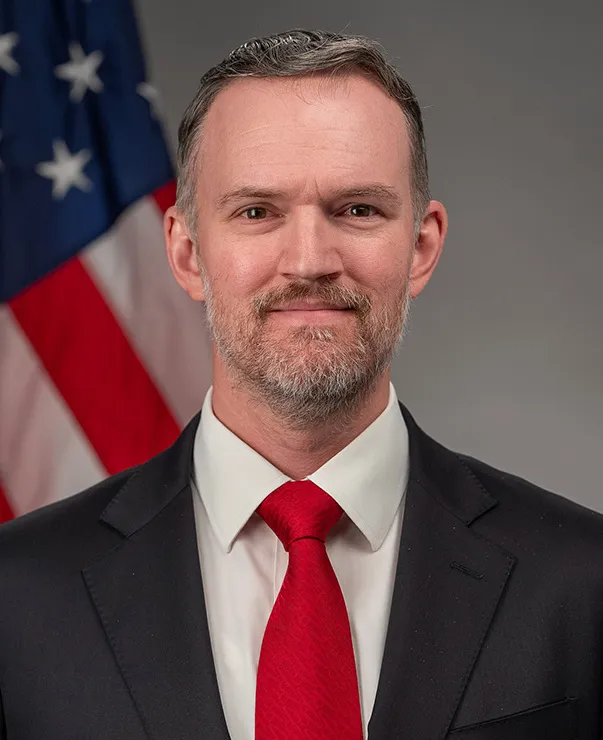
A trade agreement between India and the United States is not imminent, US Trade Representative Jamieson Greer has said, tempering expectations of an early breakthrough even as Prime Minister Narendra Modi and US President Donald Trump are expected to speak again soon.
Greer said negotiations between Washington and New Delhi were continuing but indicated that significant issues remained unresolved.
“There’s nothing imminent,” Greer said when asked about the prospects of an India-US trade agreement.
His remarks provide a more cautious assessment of the negotiations at a time when senior officials from both countries remain engaged in efforts to narrow differences and prevent trade frictions from weighing on the wider strategic relationship.
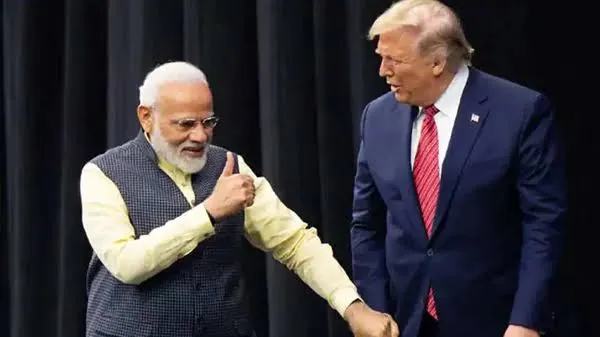
Greer also indicated that Modi and Trump were expected to speak in the coming days.
The anticipated conversation would continue the direct engagement between the two leaders as their governments work through differences involving trade, tariffs and energy while maintaining cooperation across defence, technology and other strategic areas.
The two leaders spoke earlier this week and reviewed bilateral cooperation in trade, defence, energy and critical technologies. They also discussed regional and international developments and agreed to remain closely engaged.
Despite that high-level contact, Greer’s comments suggest that political engagement has not yet translated into a trade agreement ready for announcement.
Commerce and Industry Minister Piyush Goyal is currently in the United States, where trade negotiations are among the issues under discussion.
Goyal is attending the G20 Trade and Investment Ministers’ Meeting and is expected to hold talks with Greer as both governments continue negotiations over an interim arrangement and a broader bilateral trade agreement.
India and the US have been trying to bridge differences across several areas of market access.
Agriculture has remained among the more sensitive subjects for New Delhi, given its implications for Indian farmers and domestic food markets.
The two sides have also been negotiating tariff and non-tariff issues across a wider range of goods.
For India, the talks have assumed additional importance because of recent US trade measures and the possibility of further economic pressure connected with New Delhi’s purchases of Russian energy.
The Trump administration has linked trade policy increasingly closely with wider strategic and economic objectives, creating an additional layer of complexity in negotiations with India.
New Delhi has maintained that its energy decisions are guided by national requirements, including affordability and security of supply.
India has simultaneously sought to keep its trade negotiations with Washington moving while making clear that an agreement must be mutually beneficial.
External Affairs Minister S Jaishankar has also argued that a trade agreement could contribute to improving the overall relationship between India and the United States.
The negotiations are therefore taking place within a bilateral relationship that remains strategically important but is experiencing friction in several economic areas.
Trade between the two countries is substantial, and both governments have previously spoken about expanding economic ties significantly.
A bilateral agreement could potentially reduce tariffs, improve market access and provide greater certainty for businesses operating between the world’s largest and fifth-largest economies.
But the political sensitivity of some sectors means that reaching an agreement requires compromises acceptable to both governments.
Greer’s statement indicates those negotiations have not yet reached that point.
The distinction is important because recent high-level diplomatic activity had generated expectations that an interim agreement could be approaching.
The USTR’s description of the situation suggests negotiations remain active but that no immediate announcement should be expected.
The expected Modi-Trump conversation could nevertheless provide political direction to officials if the two leaders decide that unresolved issues should be accelerated.
Leadership-level intervention has previously played a role in moving complex India-US negotiations forward when technical discussions encountered politically sensitive questions.
Whether the next conversation produces such an intervention remains unclear.
No date has been publicly confirmed for the anticipated Modi-Trump call, and neither side has announced that a trade agreement is ready for final approval.
The immediate focus will therefore remain on discussions involving Goyal, Greer and their respective negotiating teams.
Their ability to narrow differences on tariffs, market access and other outstanding issues will determine whether the negotiations can progress from continuing talks towards an agreement.
For now, Greer has provided the clearest indication of where matters stand: India and the United States remain at the negotiating table, their political leadership continues to engage, but a trade deal is not yet imminent.