NEW DELHI, Oct. 1
India’s opposition INDIA bloc has announced a series of protests over alleged irregularities in electoral rolls, including district-level marches and five major rallies, while demanding a return to ballot-paper voting and faster Supreme Court hearings in cases concerning the Special Intensive Revision of voter lists.
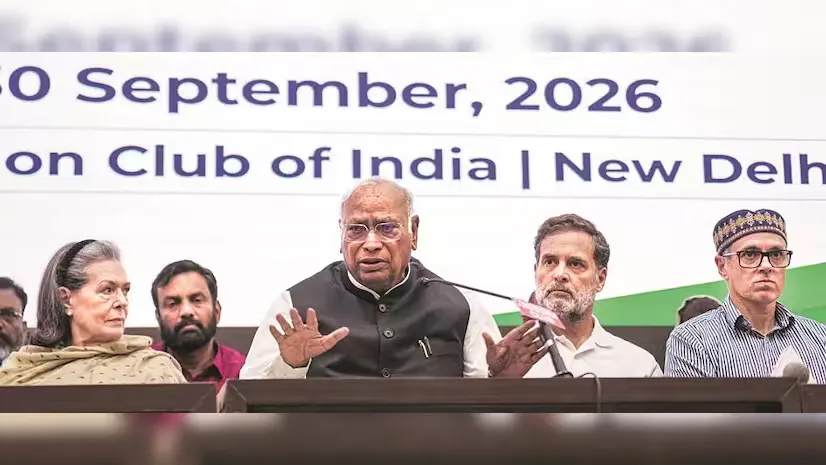
The decisions were taken on Wednesday at a meeting of leaders from 19 opposition parties that lasted more than three-and-a-half hours at the Constitution Club in New Delhi. The opposition’s allegations of electoral wrongdoing remain contested and were presented by the bloc as the basis for its campaign.
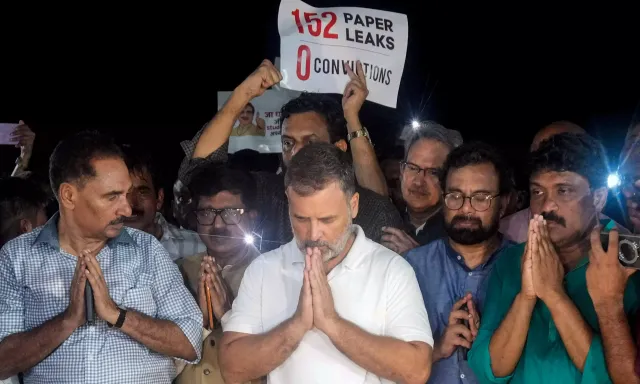
Under the joint programme, the alliance will organise “Save Democracy” marches across districts between October 2 and October 8. Demonstrations are also planned outside district magistrates’ offices, with opposition leaders saying young people and non-governmental organisations would be invited to participate.
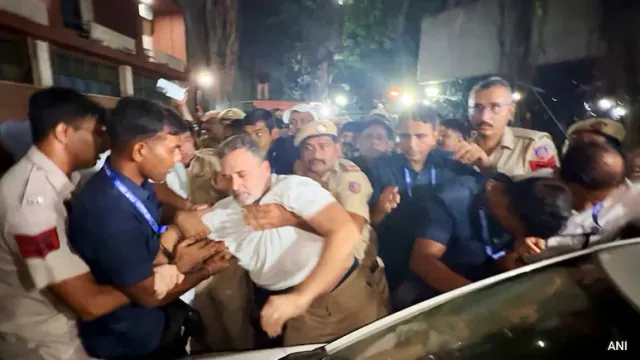
Opposition MPs will separately march to the Election Commission of India on October 6.
The bloc also plans to approach the President over its concerns about voter-list revisions and alleged electoral irregularities.
Congress president Mallikarjun Kharge said the parties had unanimously agreed to pursue the campaign together.
“With unanimity, everyone vowed to fight together,” Kharge said after the meeting.
The alliance plans five larger rallies during October and November, with the locations and dates yet to be finalised. Kharge said a major rally would be held in New Delhi on November 1.
The opposition parties have also called for future elections to be conducted using ballot papers rather than electronic voting machines.
Another element of their campaign concerns the Special Intensive Revision, or SIR, of electoral rolls. The bloc appealed to the Supreme Court to expedite cases concerning the exercise and what opposition parties describe as electoral “malpractices”.
The Election Commission’s handling of voter lists has become an increasingly contentious political issue, with opposition parties alleging that legitimate voters have been removed or face exclusion during revision exercises.
The Election Commission has rejected allegations that the revision process is intended to manipulate electoral rolls and has maintained that such exercises are conducted within its constitutional and statutory authority.
The INDIA bloc meeting also discussed a demand for the resignation of Chief Election Commissioner Gyanesh Kumar. Opposition leaders said they would continue pressing for his removal.
The demand is a political position taken by the opposition alliance. The allegations against the CEC have not been established as findings of wrongdoing by a court.
Leader of the Opposition in the Lok Sabha Rahul Gandhi used stronger language after the meeting, describing the INDIA parties as “collective defenders” of the Constitution and saying they were committed to holding accountable those whom he accused of damaging Indian democracy.
His remarks form part of the opposition’s broader political campaign over what it calls “vote chori”, or vote theft.
The meeting brought together several of the INDIA bloc’s most senior leaders.
Kharge, Congress Parliamentary Party chairperson Sonia Gandhi and Gandhi attended, along with Trinamool Congress chief Mamata Banerjee, Jammu and Kashmir Chief Minister Omar Abdullah, Rashtriya Janata Dal leader Tejashwi Yadav, Nationalist Congress Party (Sharadchandra Pawar) MP Supriya Sule and Peoples Democratic Party chief Mehbooba Mufti. Leaders of the Left parties were also present.
Shiv Sena (UBT) chief Uddhav Thackeray and Jharkhand Chief Minister Hemant Soren, who heads the Jharkhand Mukti Morcha, participated online.
The Bharatiya Janata Party rejected the opposition’s campaign and portrayed Wednesday’s meeting as evidence of divisions within the alliance.
Union minister Shivraj Singh Chouhan criticised the gathering at a BJP press conference, pointing to the absence of some opposition leaders and parties.
“The INDI Alliance fell apart even before the meeting took place. The DMK did not attend the meeting. Akhilesh was busy elsewhere. The AAP had already declined,” Chouhan said.
He characterised the outcome of the meeting as “zero vision, 100 per cent frustration, and an advance excuse for poll defeats”.
The BJP’s response reflects its political counterargument to the opposition campaign rather than an independent assessment of the allegations raised by the INDIA bloc.
Wednesday’s meeting signals an attempt by the opposition parties to turn disputes over electoral rolls and election administration into a coordinated national political campaign rather than pursue the issue only through Parliament, courts and representations to the Election Commission.
The planned October 6 march will bring that campaign directly to the Election Commission, while the proposed meeting with the President would take the opposition’s concerns to the country’s highest constitutional office.
The district-level demonstrations beginning October 2 are intended to take the issue beyond national political institutions and into constituencies across the country.
At the same time, the alliance’s appeal to the Supreme Court reflects the parallel legal disputes surrounding electoral-roll revision.
The opposition has sought faster hearings in SIR-related cases, while continuing to challenge the Election Commission politically over its handling of voter lists.
The campaign will therefore proceed on several tracks: demonstrations across districts, a march by MPs to the Election Commission, five larger rallies, an approach to the President and continued legal proceedings.
The first phase begins on October 2, followed by the opposition MPs’ march to the Election Commission on October 6. The largest rally announced so far is scheduled for New Delhi on November