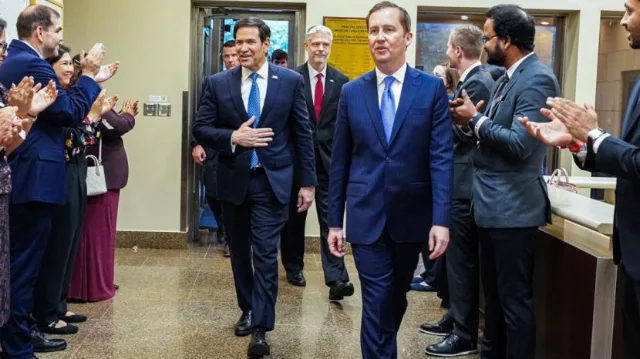



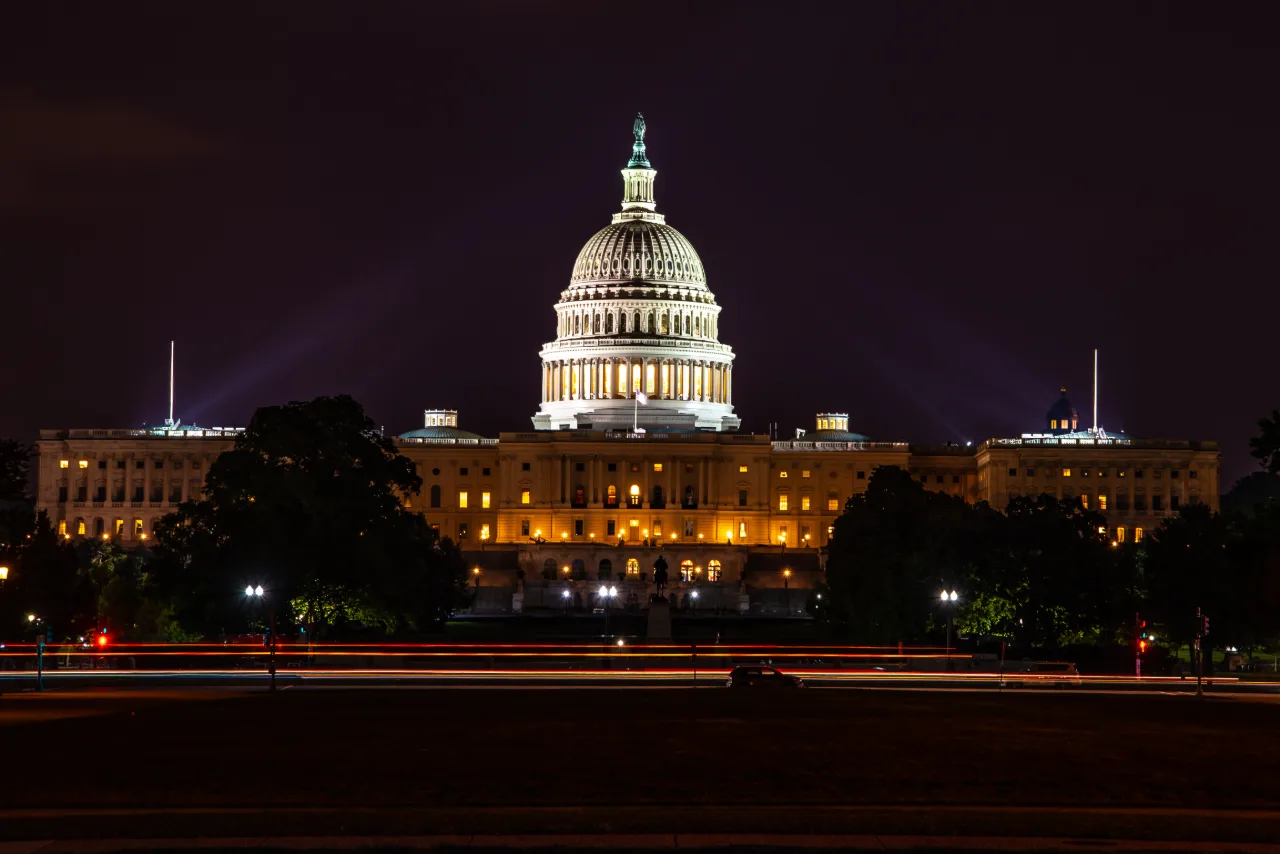
WASHINGTON, November 4 — Democrats have taken control of both chambers of the US Congress in the 2026 midterm elections, dealing a significant setback to President Donald Trump and setting the stage for a more challenging legislative environment during the remaining two years of his term.
Democrats secured five additional Senate seats and made gains in more than half a dozen House districts, ending two years of unified Republican control of Congress. The results give the party greater authority over congressional committees, legislative priorities, government funding and investigations into the Trump administration.
The outcome follows voter concerns over the cost of living, tariffs and the US military campaign against Iran, which has contributed to higher fuel prices. The results represent the first major nationwide electoral assessment of Trump's second-term presidency.
The Democratic takeover is expected to increase congressional scrutiny of the administration and create fresh obstacles for Trump's legislative agenda. However, the President will retain substantial executive authority, including control over foreign policy and the power to veto legislation passed by Congress.
Implications for India-US Relations
The change in congressional control could have implications for India, particularly in trade, immigration and defence cooperation. The United States is a major market for Indian exports, making Washington's tariff policies an important concern for Indian businesses.
In February, India and the United States announced a framework for an interim trade agreement under which Washington indicated an 18 per cent reciprocal tariff rate on Indian-origin goods. Subsequent developments, including a US Supreme Court ruling on the use of emergency powers for tariffs, altered the broader tariff framework, with a baseline rate of 10 per cent reported following the decision.
The broader India-US trade agreement remains under discussion. Democratic control of Congress could increase scrutiny of the administration's trade policies and encourage greater debate over tariff measures affecting trading partners, including India. However, the President's executive authority means that a change in congressional control will not automatically produce an immediate shift in US trade policy.
Immigration is another area of interest for India. Changes to H-1B visa regulations and the treatment of skilled foreign workers have direct consequences for Indian professionals and technology companies operating in the United States.
A Democratic majority could increase congressional oversight of immigration policies and place greater scrutiny on proposals affecting foreign workers. However, existing presidential measures, including the reported $100,000 fee for new H-1B visa applications, will not automatically be reversed by the election result.
Congressional Oversight and Foreign Policy
Democratic control of both chambers will strengthen the party's ability to scrutinise the administration's decisions on foreign policy, defence spending and international security commitments.
Congressional committees are expected to play a more prominent role in examining the administration's policies and seeking information from government officials. The Senate's role in confirming senior executive and judicial appointments could also become a major point of political contention.
For India, the broader implications will depend on how the new congressional leadership approaches bilateral defence cooperation, technology partnerships and strategic engagement in the Indo-Pacific.
The US-India relationship has developed across successive administrations and enjoys support from lawmakers in both parties. Nevertheless, differences over trade, immigration and other policy matters have periodically affected bilateral engagement. A change in congressional control could alter the political environment surrounding these issues without necessarily changing the overall strategic framework.
The Democratic majority will also face institutional constraints. Presidential veto powers, Senate procedural rules and the requirement for bipartisan support on several major legislative matters could limit the extent to which Congress can reverse or reshape Trump's policies.
The new Congress is scheduled to assume office in January 2027, when Democrats will formally take control of the House and Senate. Its legislative priorities and approach towards the White House will help determine the extent of the political and policy changes arising from the midterm results.